Madagascar
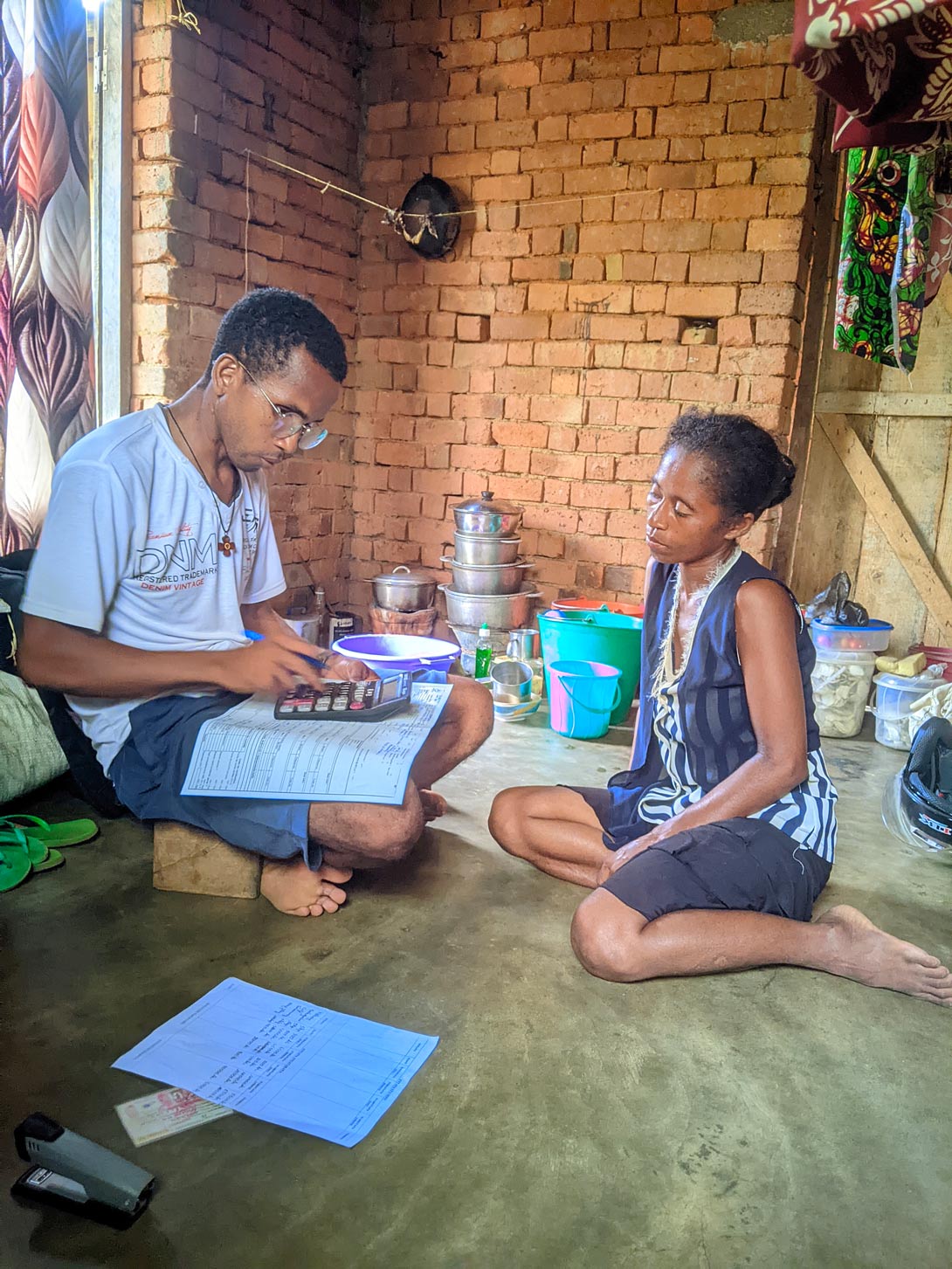
In Madagascar, we collaborate with local partners to empower women, youth, and young farmers in rural communities. Our projects focus on the regions of Menabe, Boeny, Sofia, and Betsiboka, supporting those facing social and economic challenges.
Strengthening rural communities through education, access to finance and political participation.
Since 2023, Lemonaid & ChariTea Foundation has partnered with non-profit organisations in Madagascar to support initiatives that drive local development. Our programs prioritise sustainable value creation, financial inclusion, skills training, and active social participation. Currently, we are implementing two projects tailored specifically to meet the unique needs of the communities we serve.
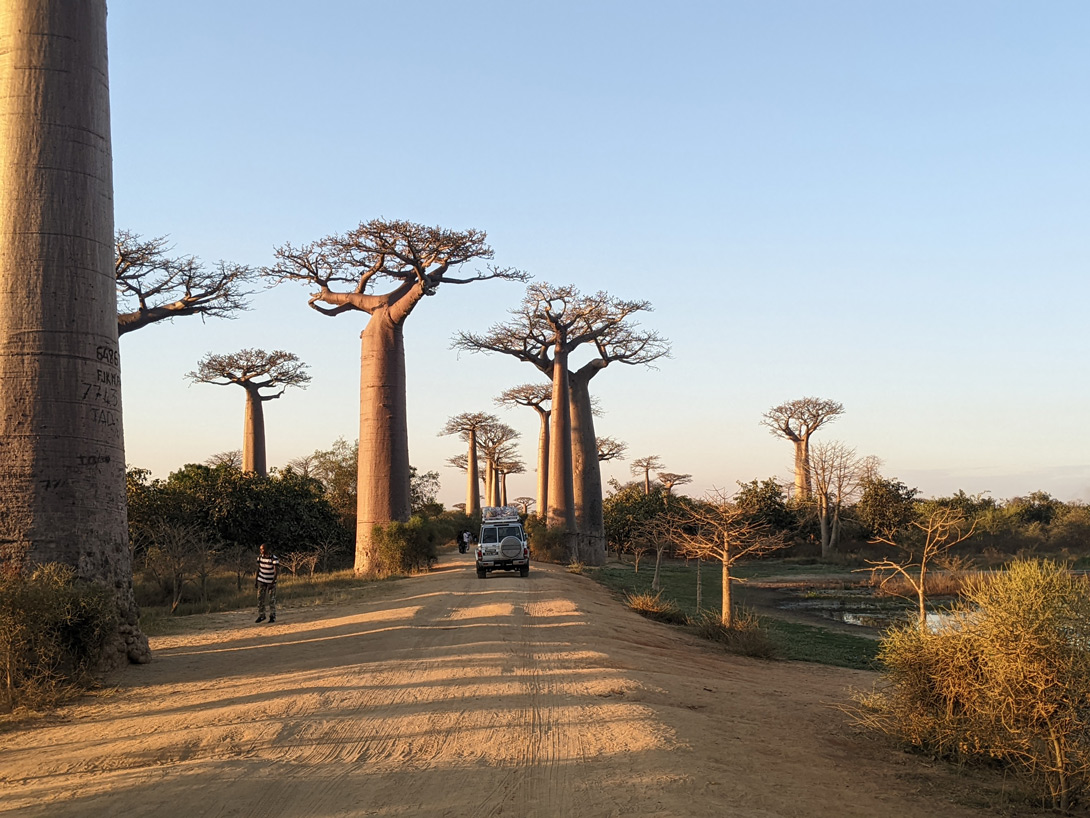
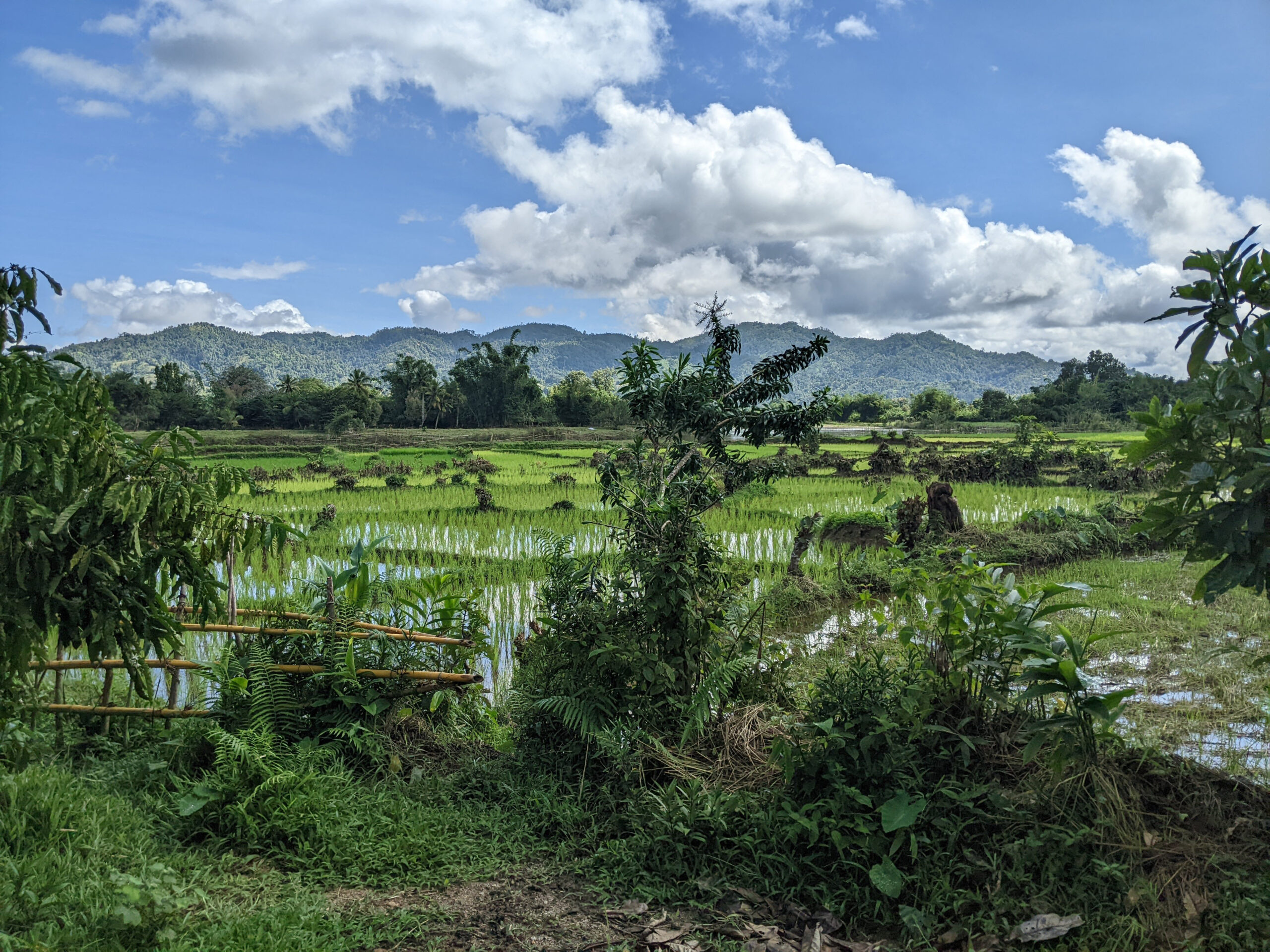
Madagascar lies off the east coast of Africa and, with over 587,000 km², is the second largest island state in the world. It is one of the world's most important regions for biodiversity - numerous species, including the lemurs, are endemic and only occur there.
In parallel with this natural wealth, the country faces profound social and ecological problems:
Around 80 % of the population lives below the poverty line of 1.90 US dollars per day (World Bank, 2021), and around 42 % of children under the age of five are chronically malnourished (UNICEF, 2021).
A large proportion of the population is dependent on subsistence farming and therefore heavily reliant on climatic conditions. Progressive climate change is manifesting itself in the form of increasing extreme weather events such as droughts, floods and cyclones - with serious consequences for food security and ecological stability.
The goal of our project partners: To strengthen the resilience of the population and preserve Madagascar's unique nature in the long term.
The initiatives we support focus on the regions of Menabe, Boeny, Sofia and Betsiboka.
The projects currently supported in Madagascar address the central challenges facing the rural population - in particular poverty, limited access to education and the consequences of domestic violence.
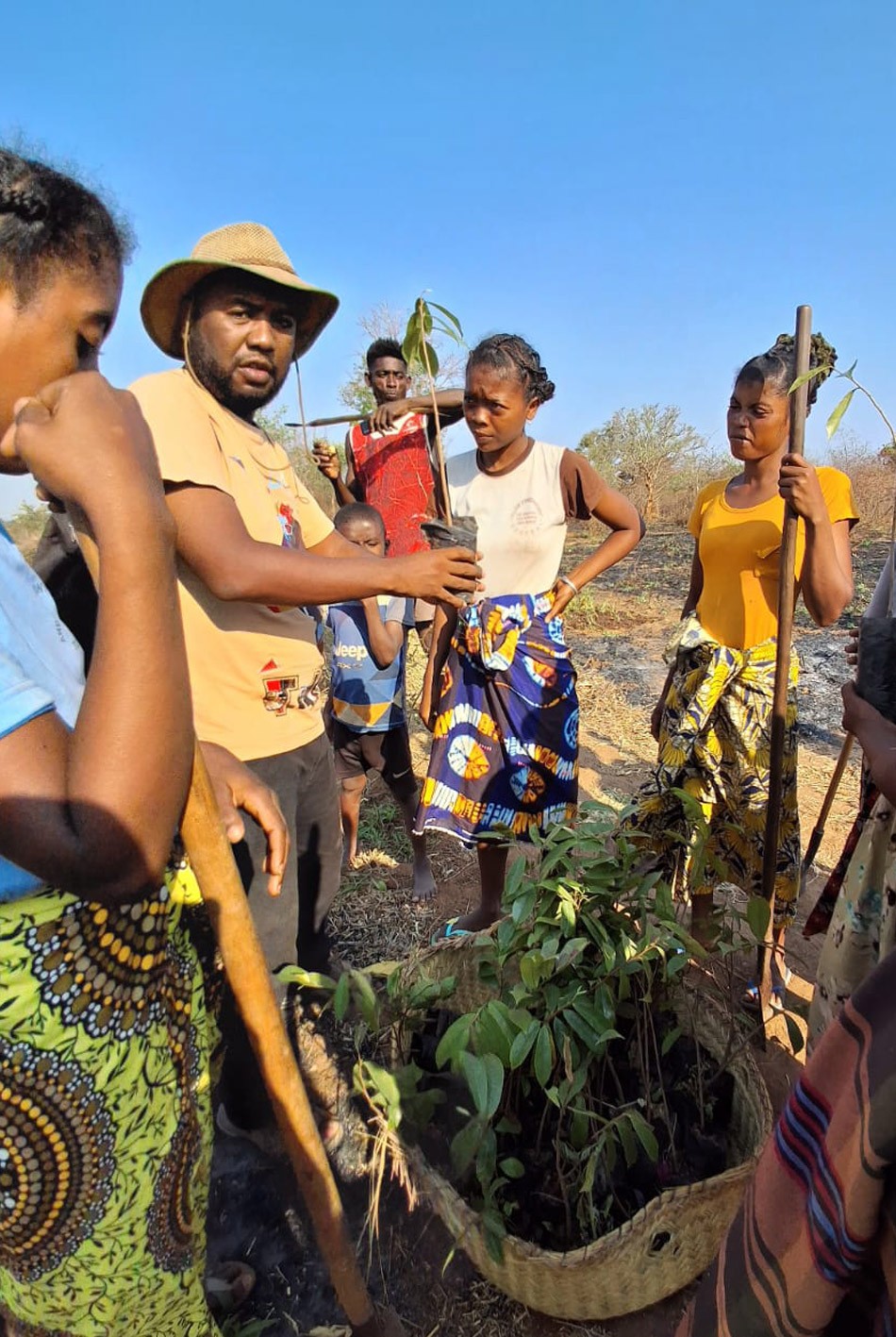
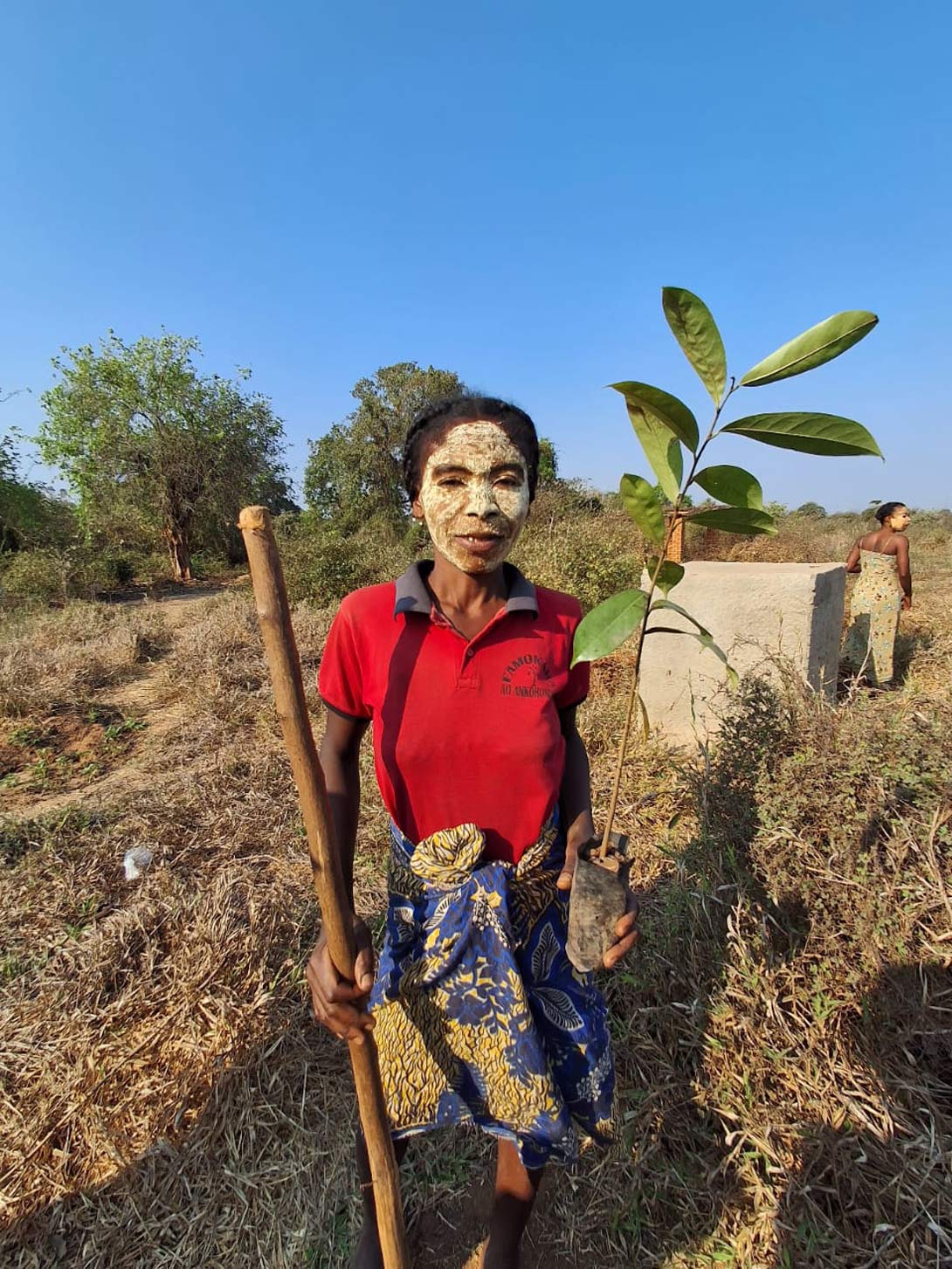
Many women, especially in remote regions, have little or no income of their own or social rights. The programmes open up new perspectives for them through vocational training, education and economic empowerment. The aim is to create fairer trading conditions, improve access to local and regional markets and thus enable long-term income security for women and young farmers. This creates sustainable pathways to independence and resilience in rural communities.
We are currently supporting two projects in Madagascar.