Microfinance and health solutions
for communities in Madagascar.
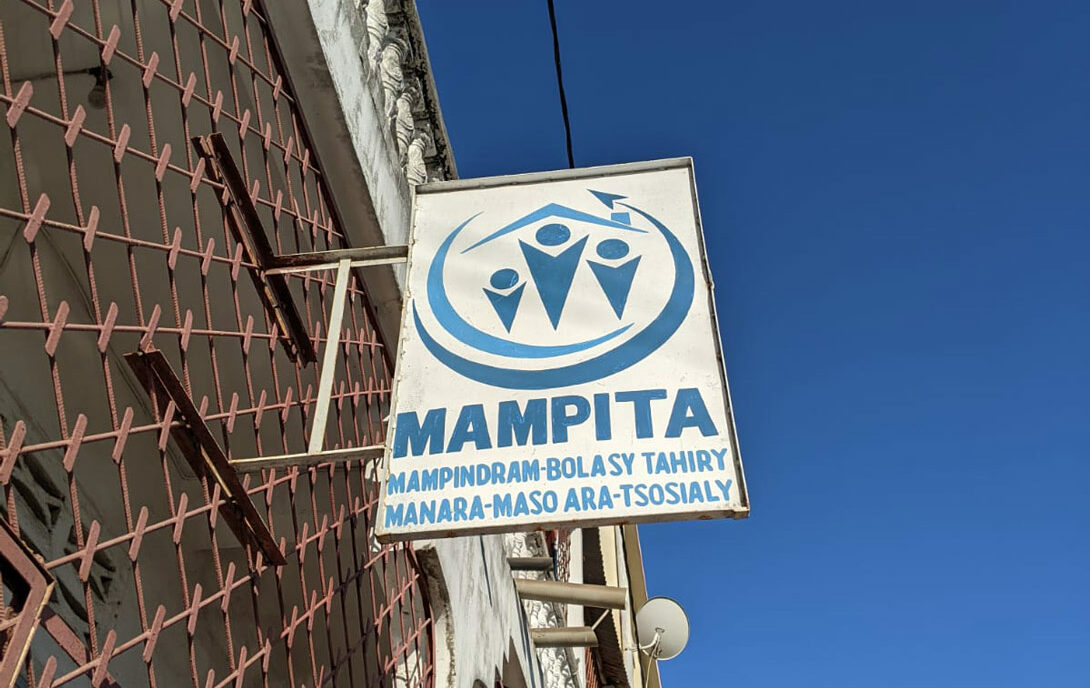
Mampita was founded in 2008 on the initiative of the French NGO Inter Aide. The name roughly translates to “creating connections”. The organization's goal is to sustainably improve the economic and health living conditions of poor families in Madagascar. Today, Mampita operates permanent locations in several regions and develops programs that respond to the specific needs of the population. With microloans, health insurance and training courses, the organization creates structures for personal responsibility and long-term stability.
With over 587,000 km², Madagascar is one of the largest island states in the world. Despite its unique biodiversity, around 80% of the population lives below the poverty line. Subsistence farming, child poverty (almost every second child is chronically malnourished) and the consequences of climate change – droughts, cyclones and floods – shape everyday life.
Especially in this context, microfinance, education and social security are crucial in order to overcome poverty and make communities fit for the future.
In the Boeny, Sofia and Betsiboka regions, many families live from small-scale agriculture or informal activities. Lack of access to capital makes it difficult to invest in income-generating projects.
Mampita's project relies on a three-pronged approach: Microloans create financial leeway for investments.
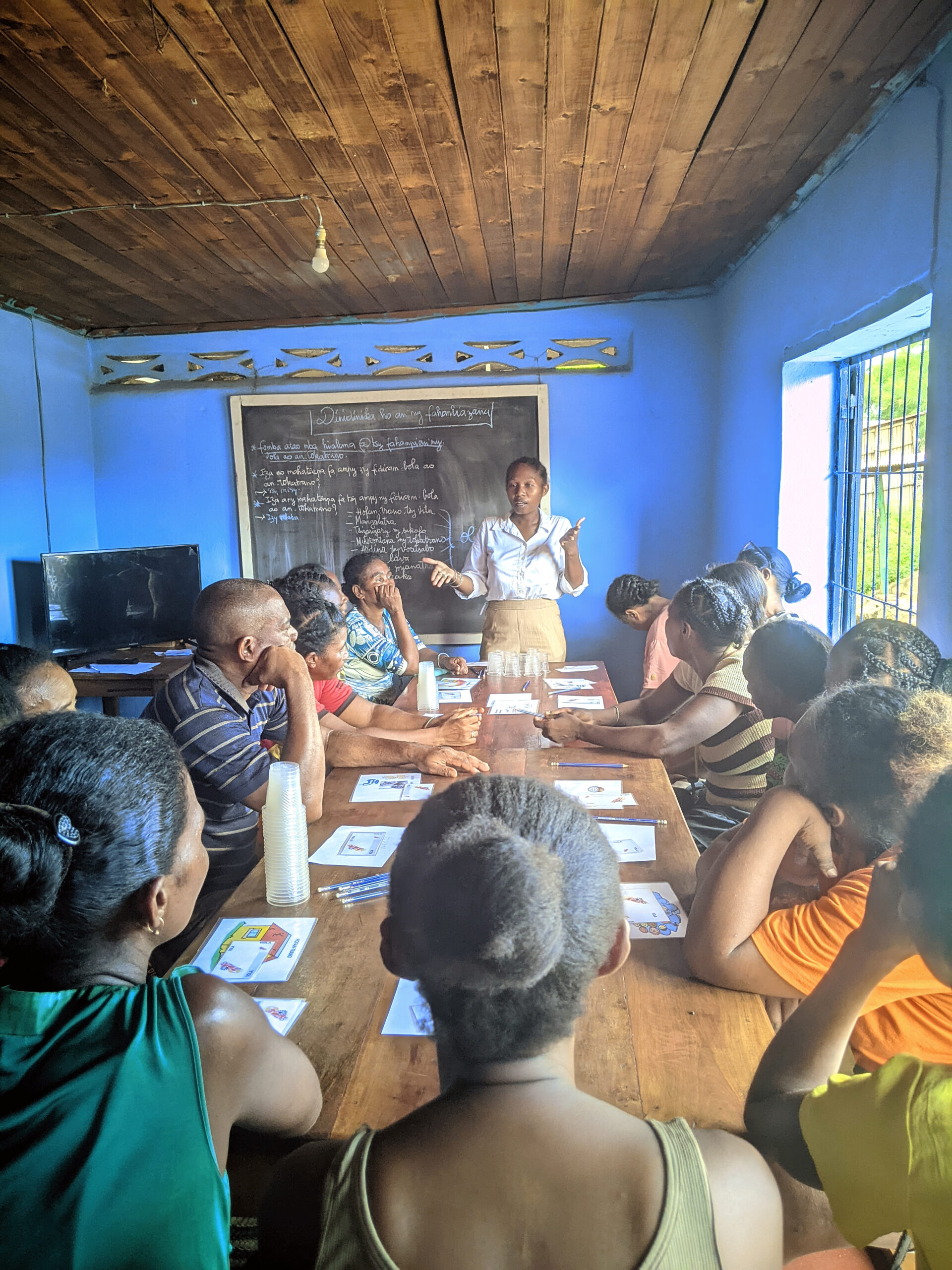
Training courses provide entrepreneurial knowledge in accounting, management and marketing.
Health insurance improves access to medical care.
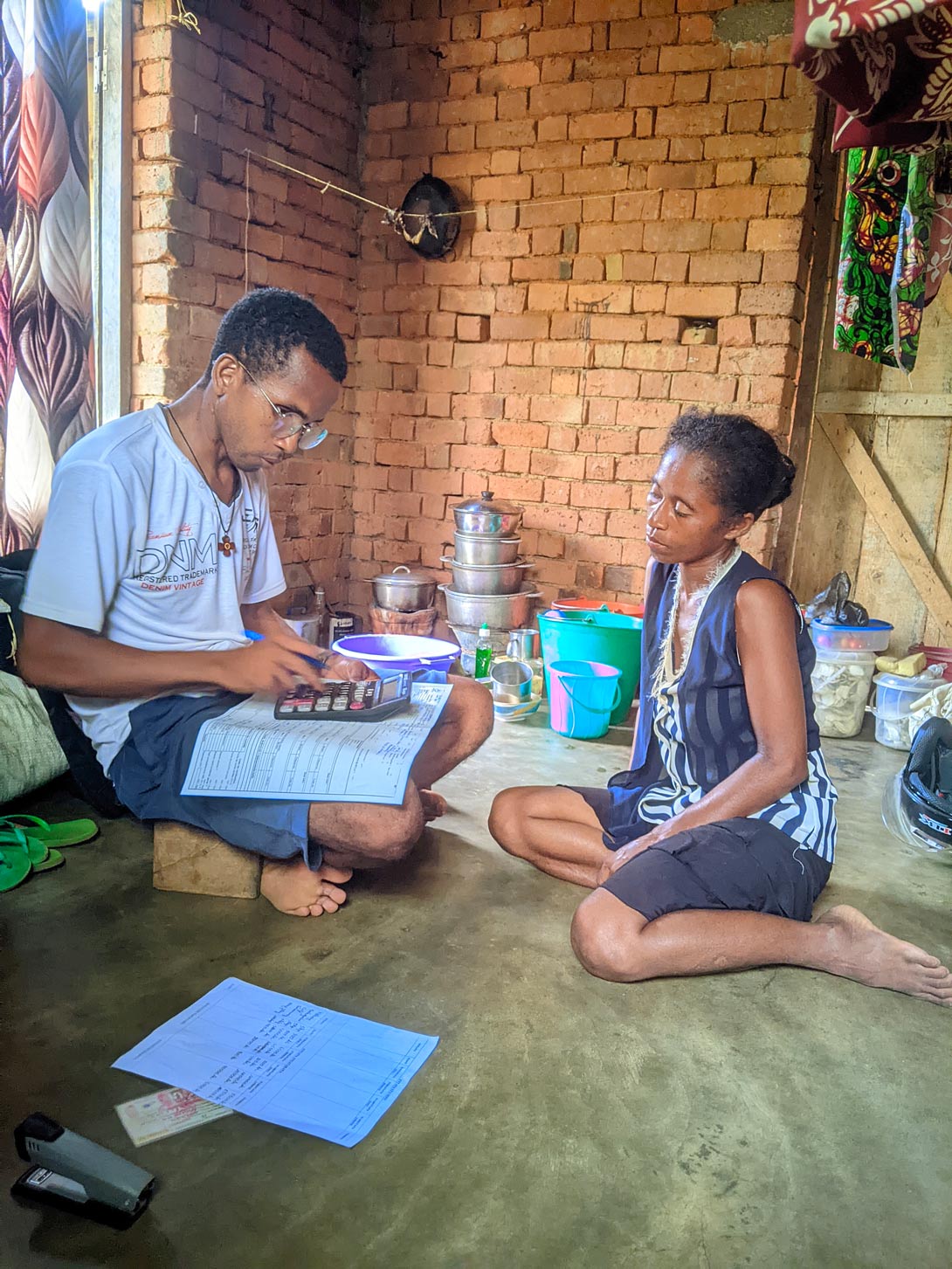
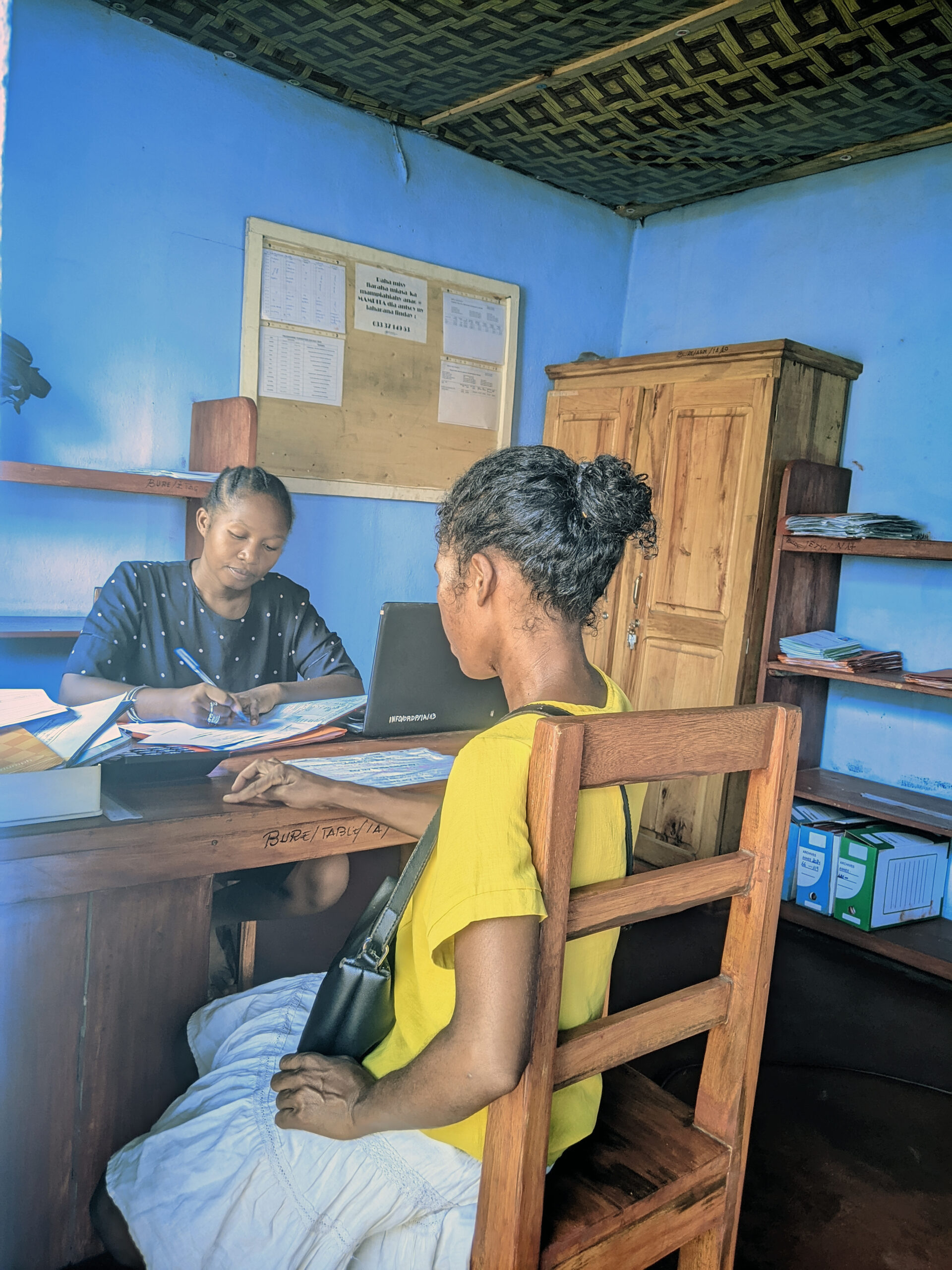
The organization offers various financial products tailored to people's lives: Local branches select suitable borrowers, support the application process and provide individual advice. This close support ensures that loans are used in a targeted manner and that sustainable economic livelihoods are created. At the same time, participation in the health insurance system improves the health protection of families.
The Lemonaid & ChariTea Foundation finances central components of the project – including personnel, equipment and operating costs – and thus supports the expansion of the model to new regions.