Peru

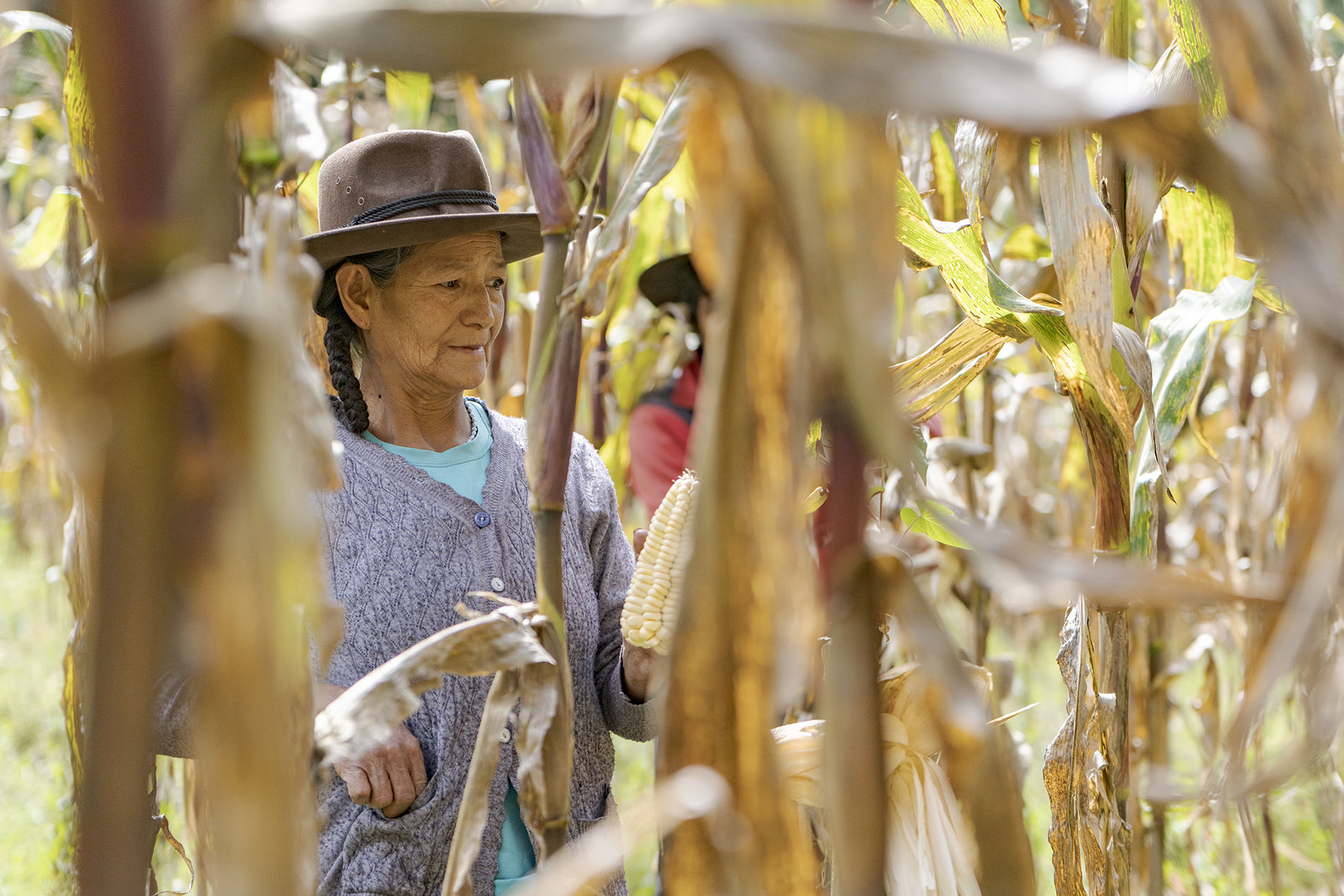
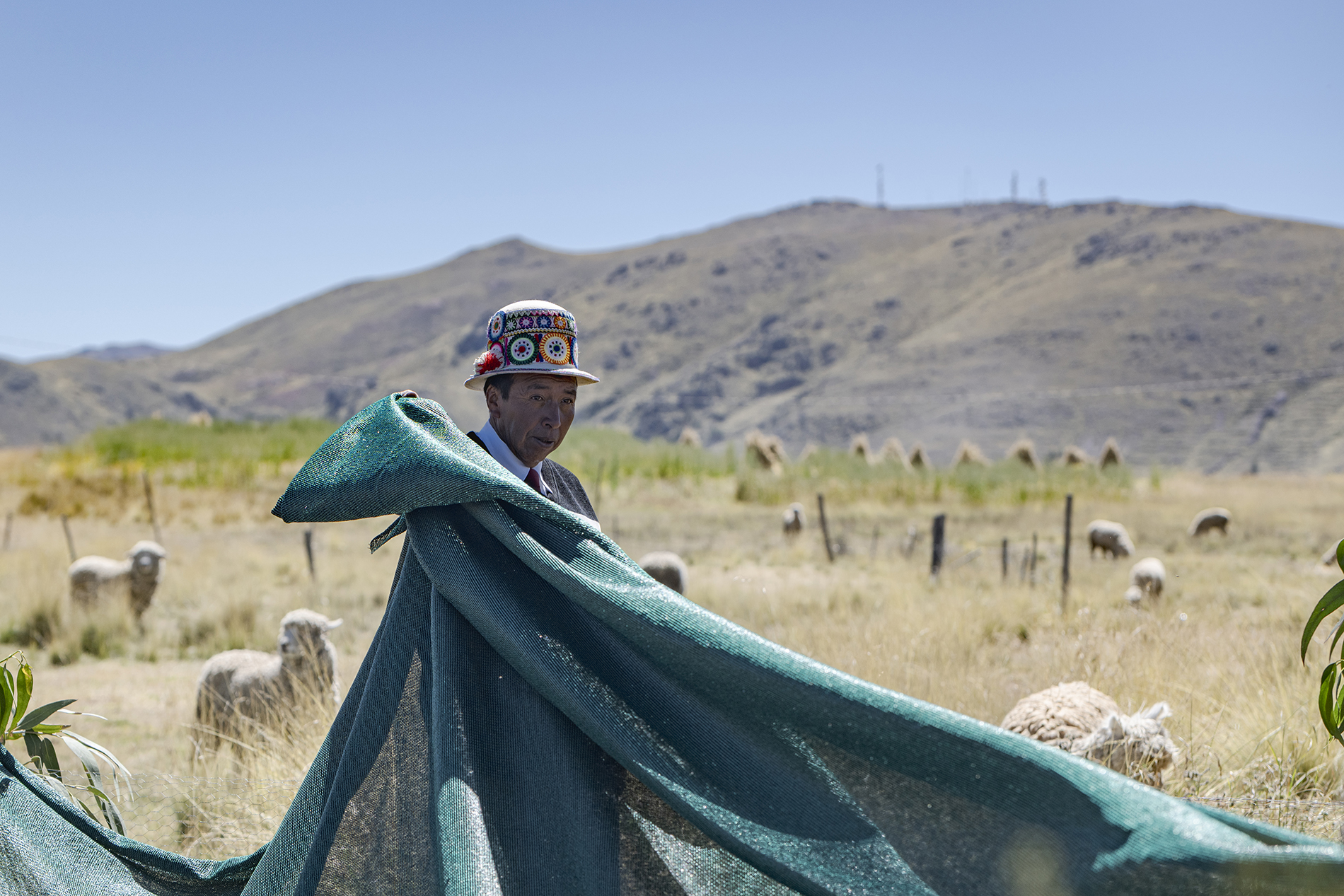
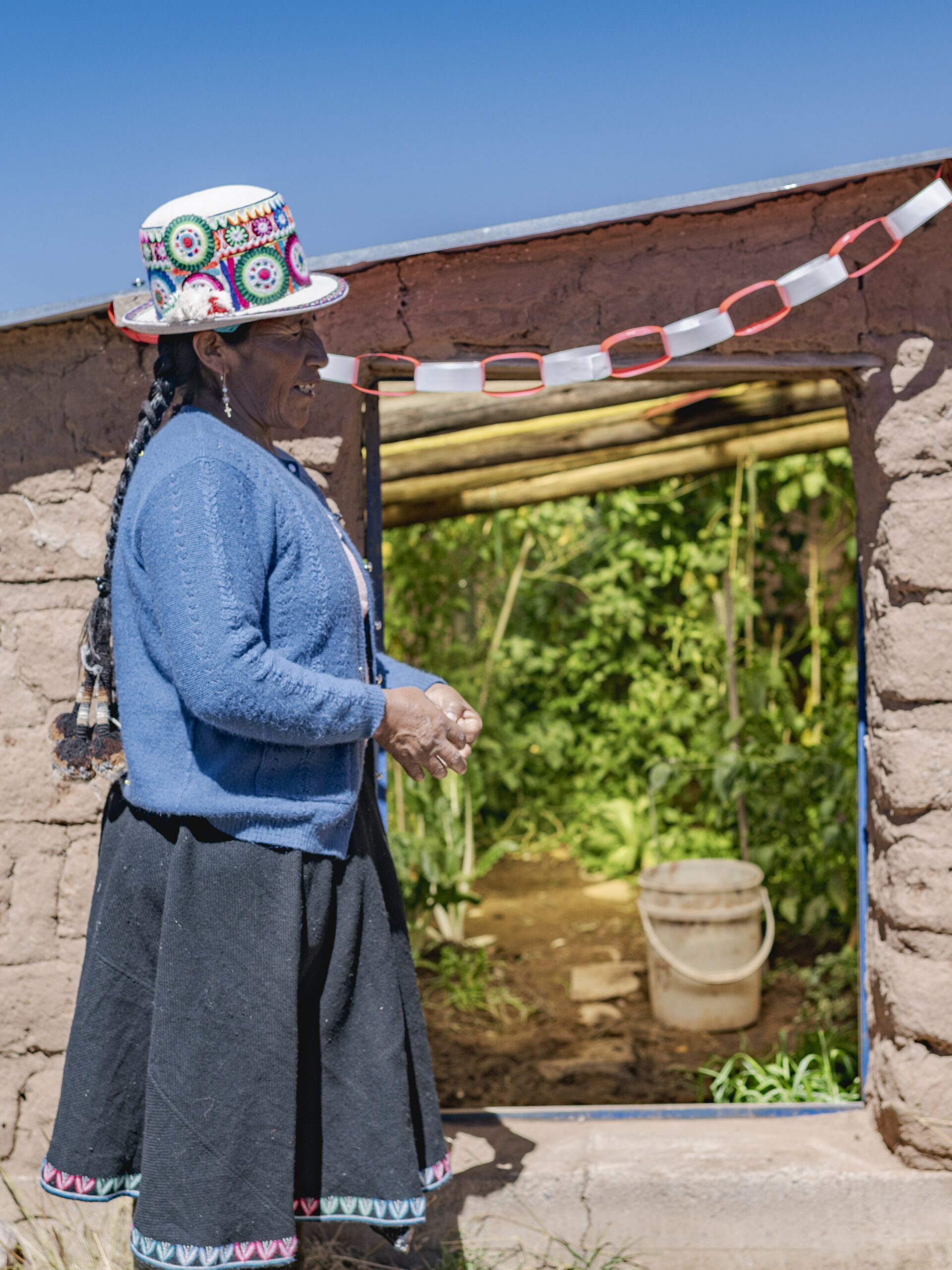
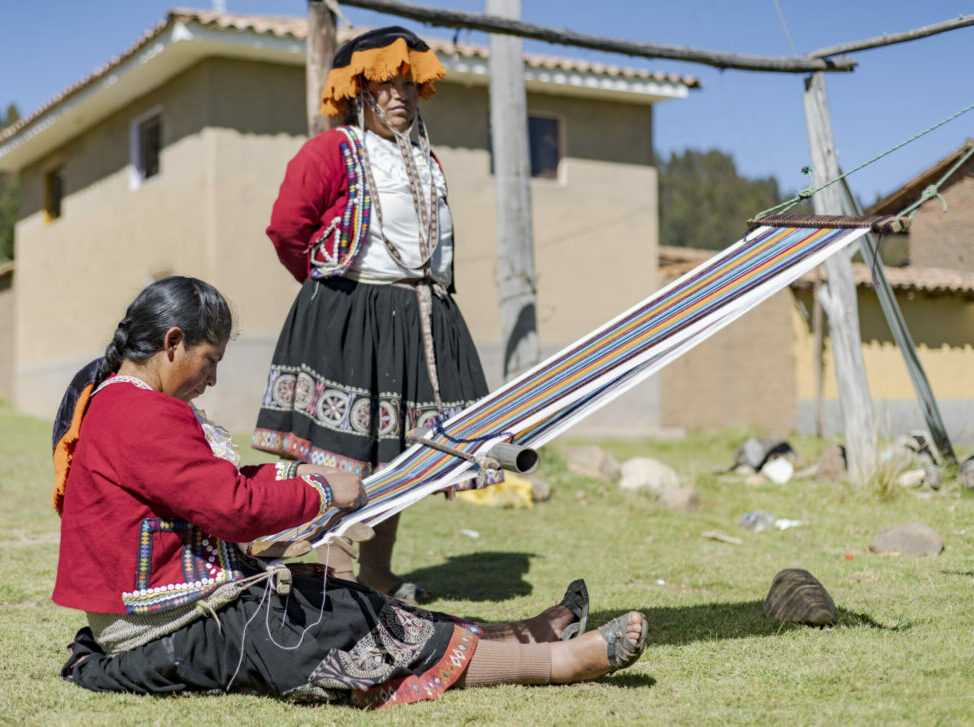
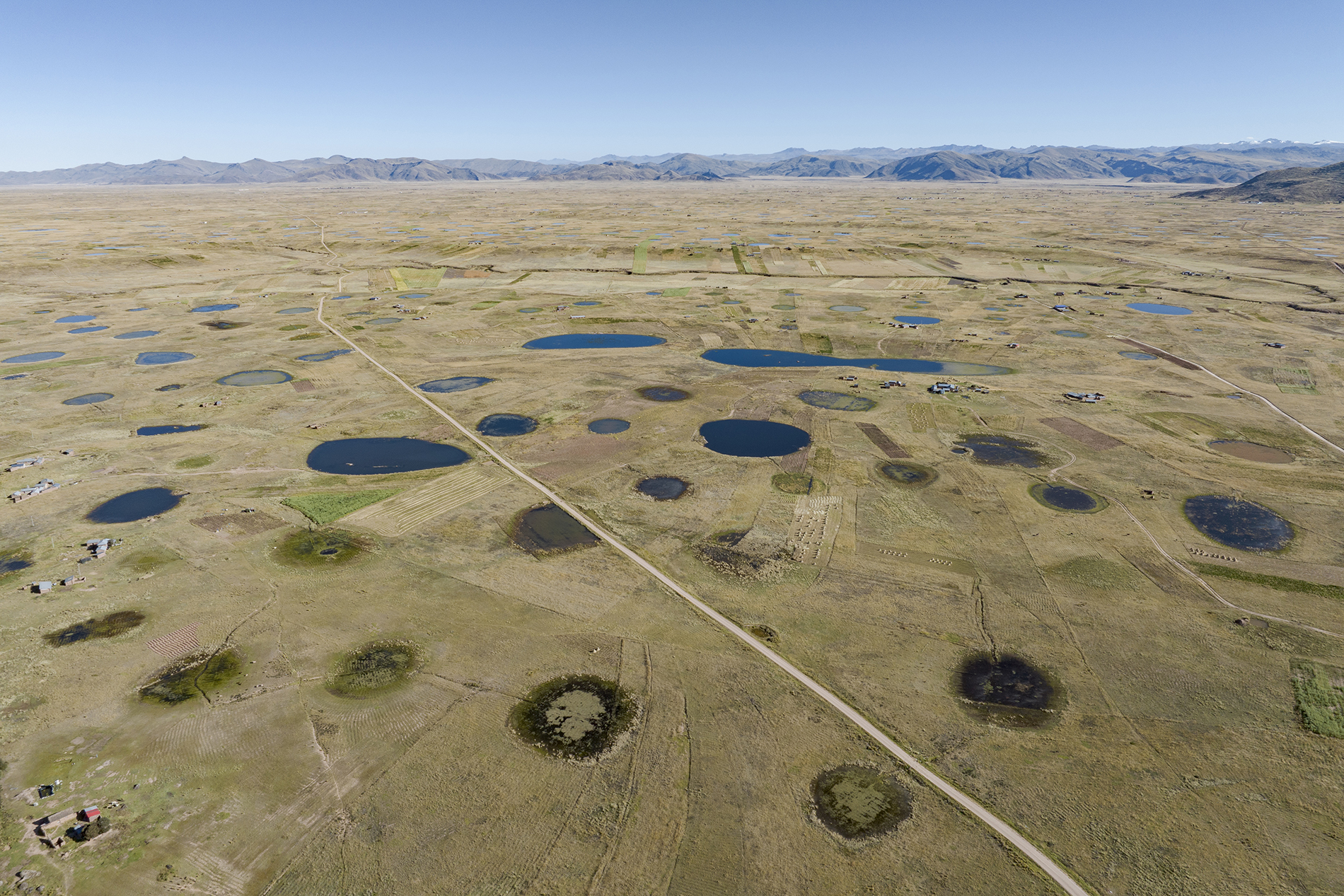
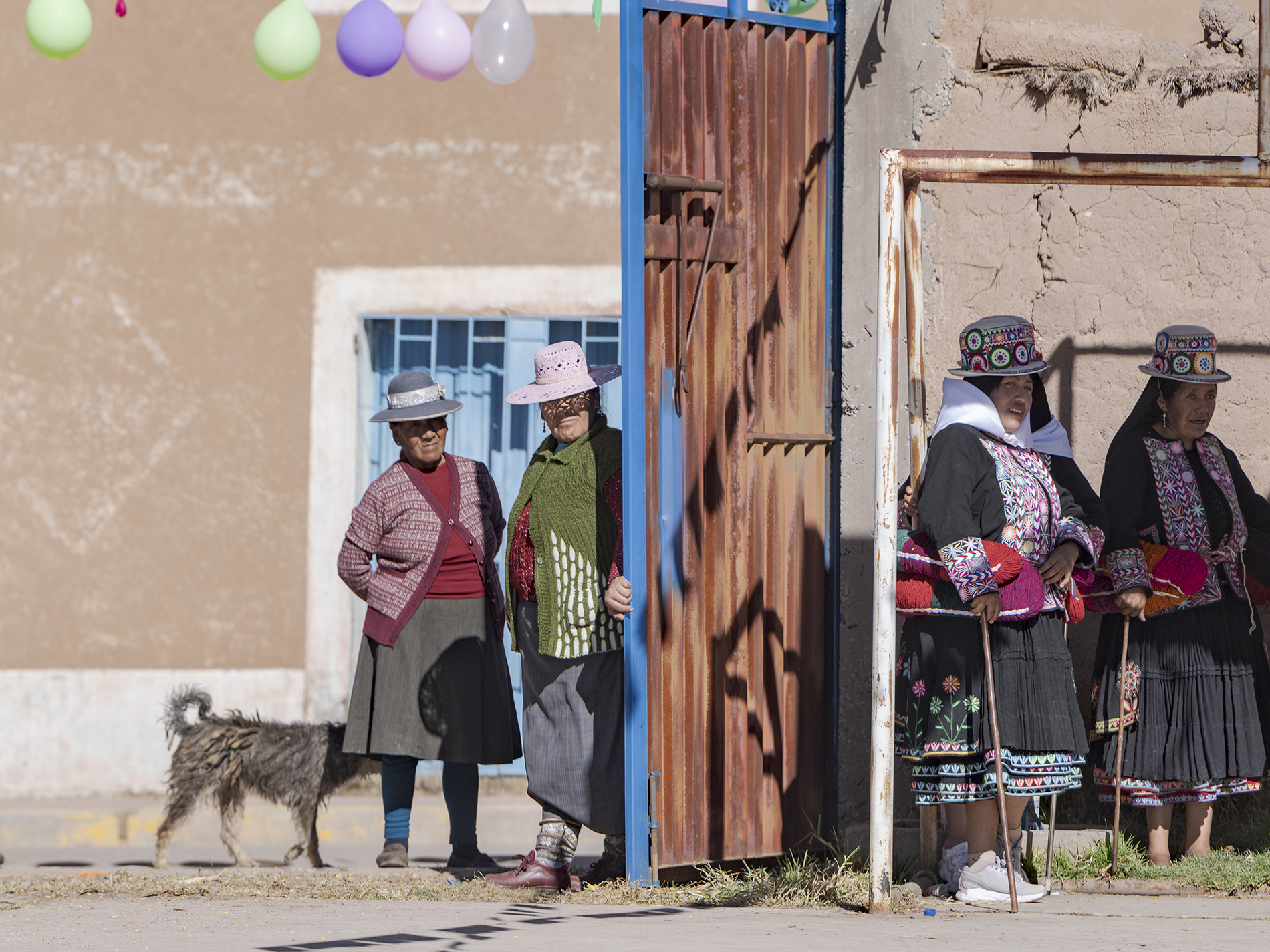
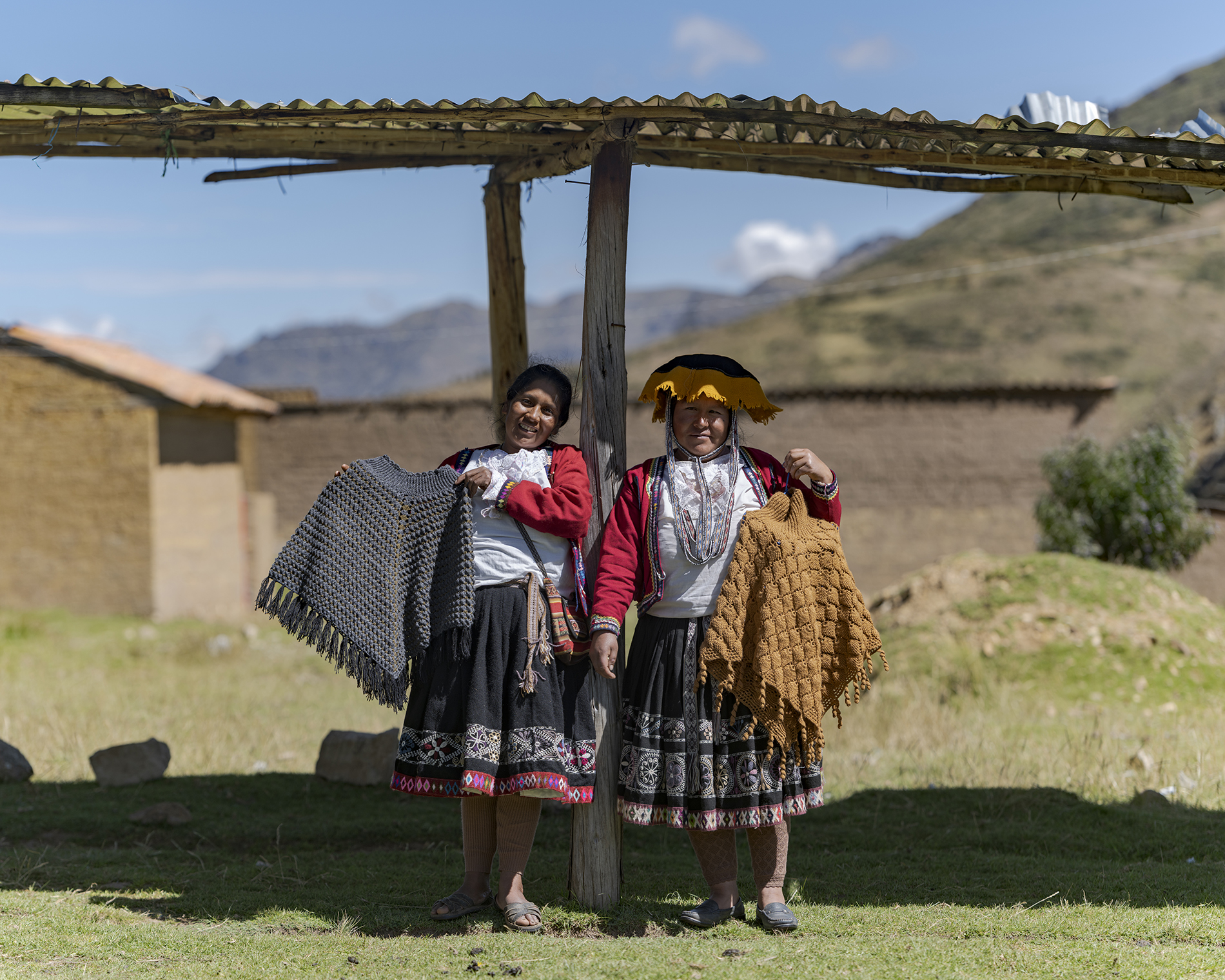
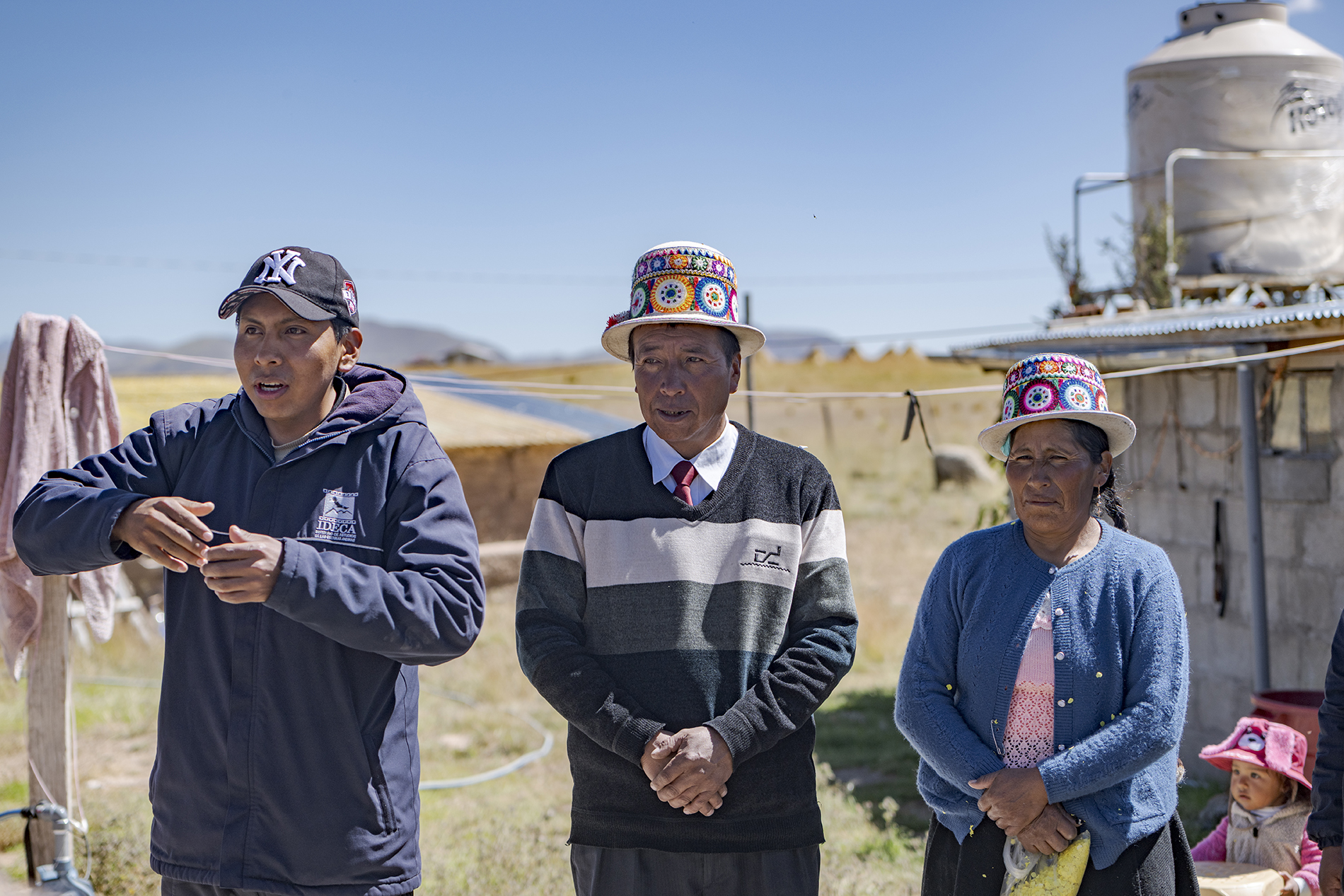
In Peru, our work centers on empowering women and indigenous farming communities who often encounter barriers to education, healthcare, and economic opportunity. We support initiatives in Cusco, in Antilla within the Curahuasi district, and in Santiago de Pupuja near Puno.
Strengthening rural communities and women in Peru.
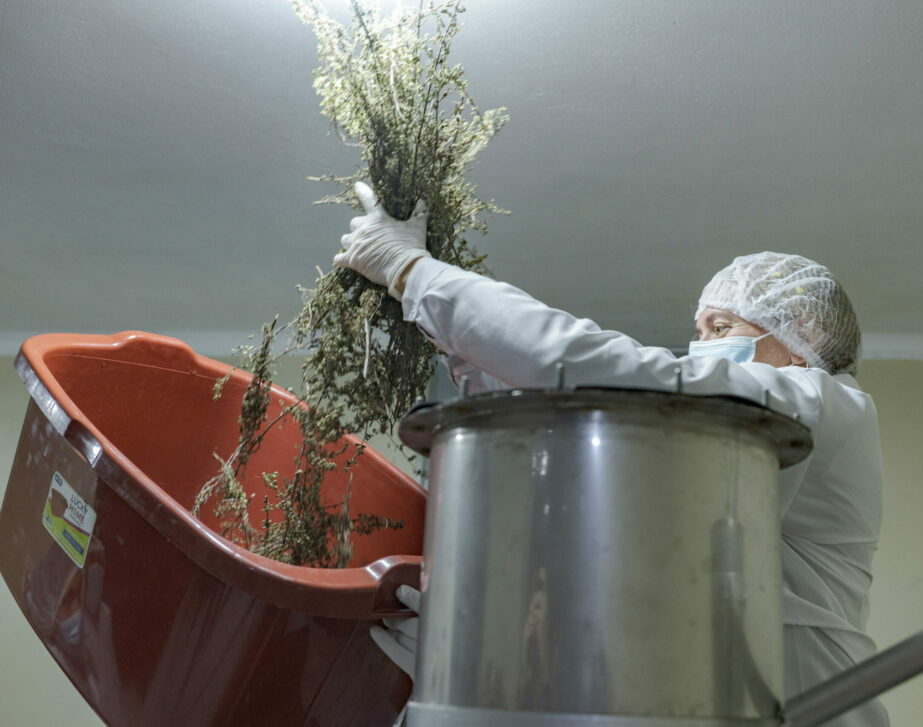
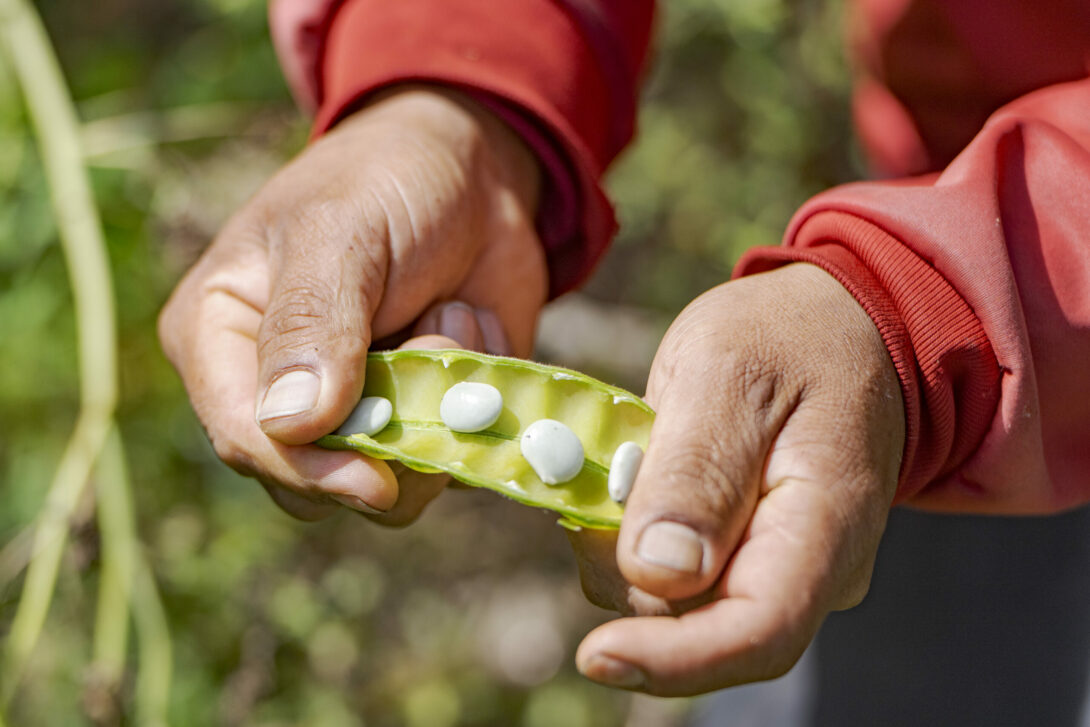
Since 2022, we have been working with three local civil society organisations to improve education, promote ecological farming, and support the empowerment of marginalised groups—particularly indigenous communities and women.
About 60% of Peru's area is covered by Amazon rainforest – making the country one of the most biodiverse in the world. Peru has large natural resources and is the world's second largest copper producer after Chile (Statista, 2022). According to the Minority Rights Group (2023), around 25.7% of the population identify as indigenous people. Many live in rural regions, speak Quechua or Aymara, and practice small-scale agriculture – often under precarious conditions and with limited access to clean water, education and health services.
In addition, there is informal and sometimes illegal mining, which leads to massive environmental destruction in many regions: contaminated water and declining soil quality endanger both ecosystems and the livelihoods of many families.
Cusco, Puno, Curahuasi.
More participation and self-determination through education and sustainable agriculture.
In Peru, the effects of poverty, exclusion and structural inequality particularly affect women and indigenous communities – regardless of whether they live in remote or urban regions. The COVID-19 pandemic has exacerbated these inequalities: informal employment relationships collapsed and gender-based violence increased. Many women, especially mothers, have limited access to education, healthcare and secure employment. At the same time, smallholder producers often lack infrastructure, market access and political representation. This is where the projects of our partner organizations come in: they offer practical education, create new income opportunities and promote self-organization on site – with the aim of changing structures in the long term.
We are currently supporting 3 projects in Peru.