India
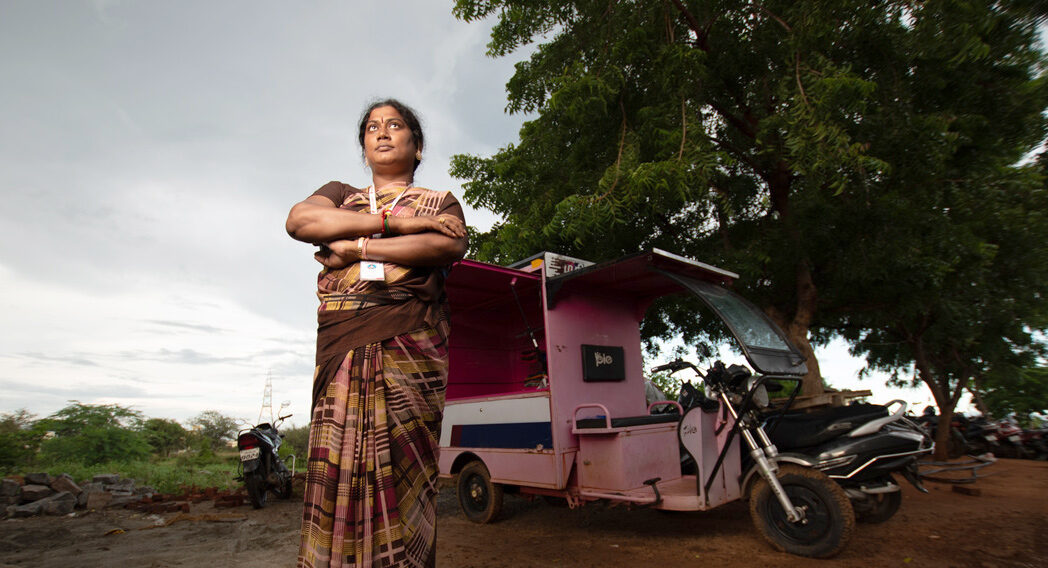
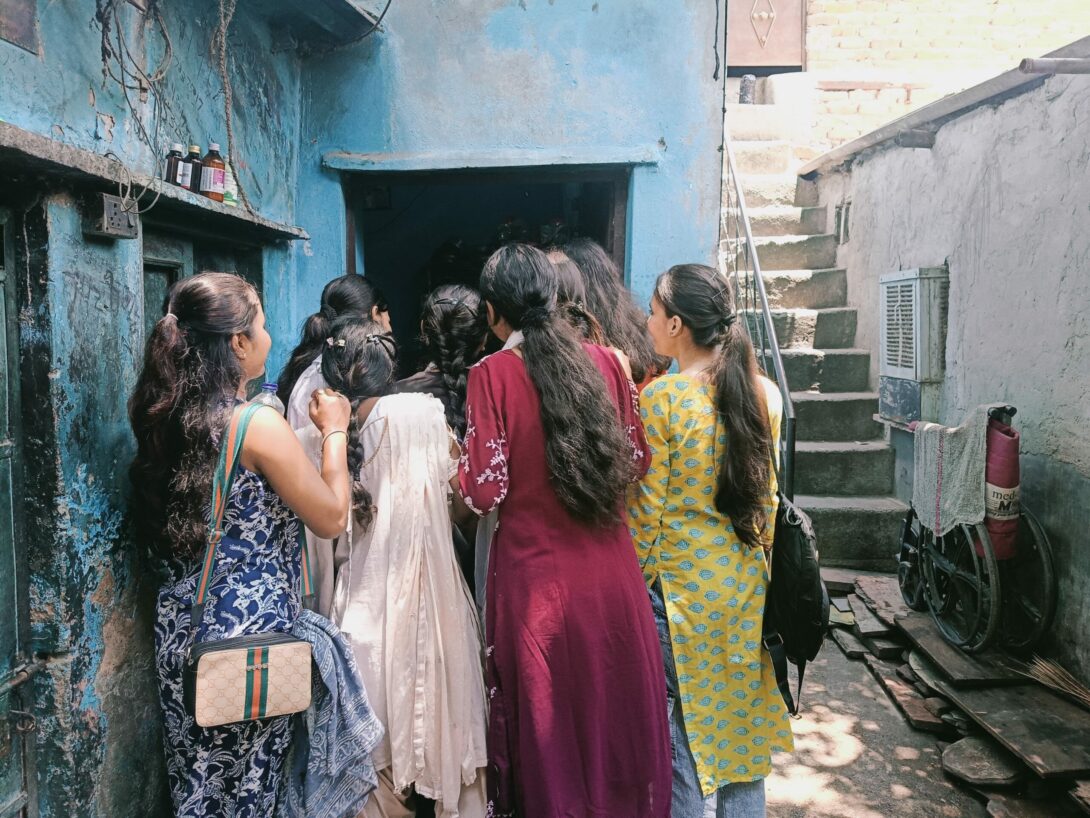
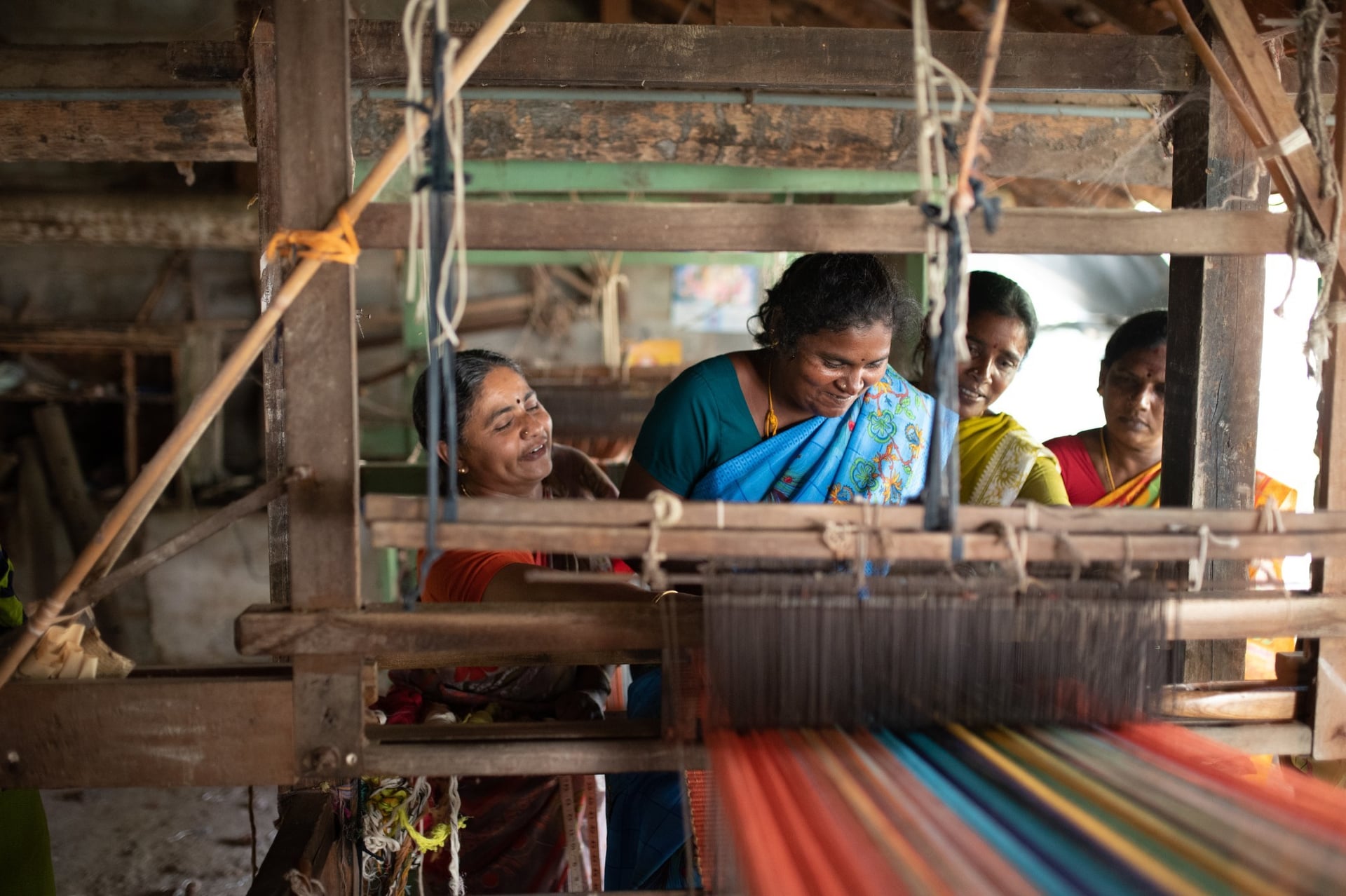
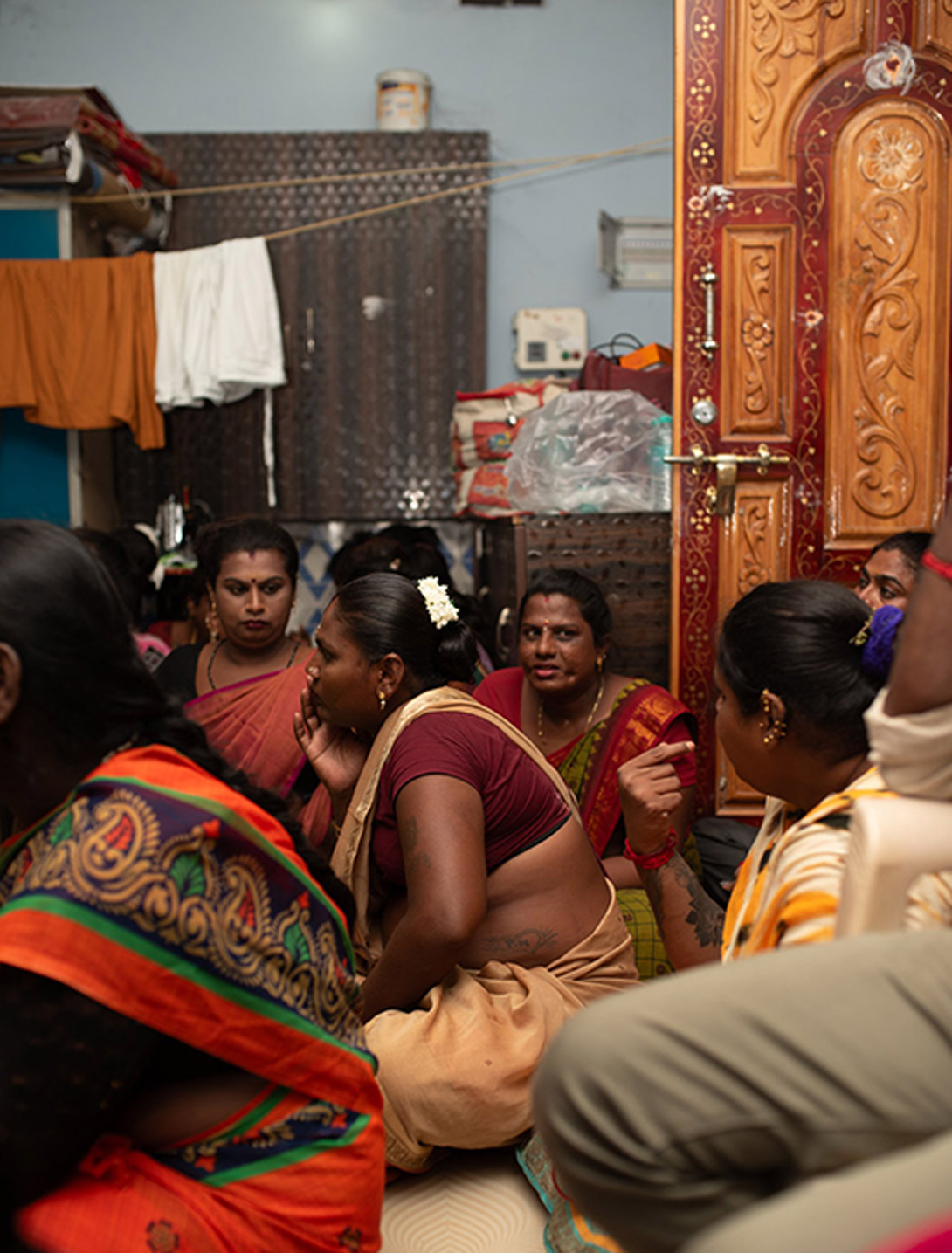
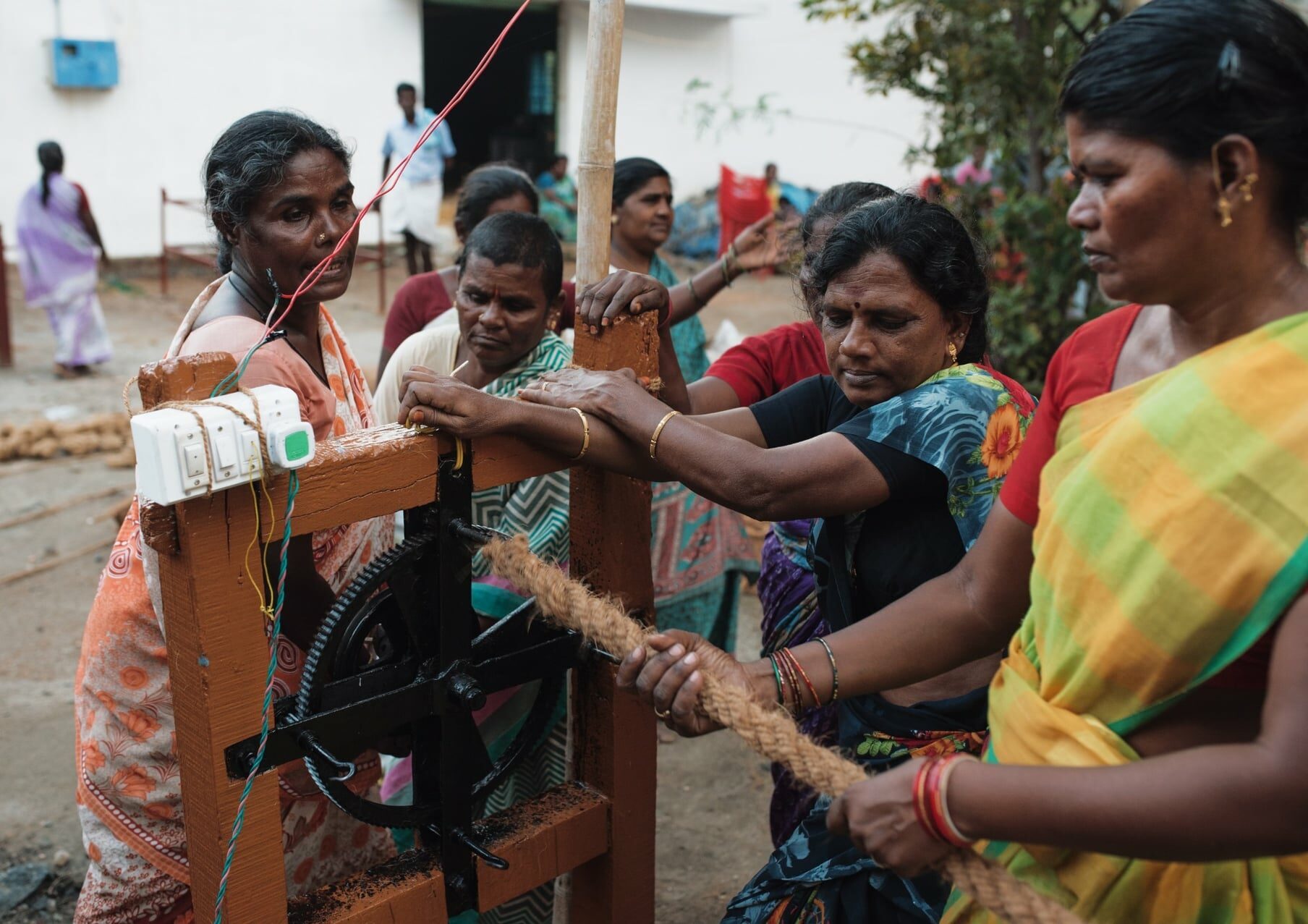
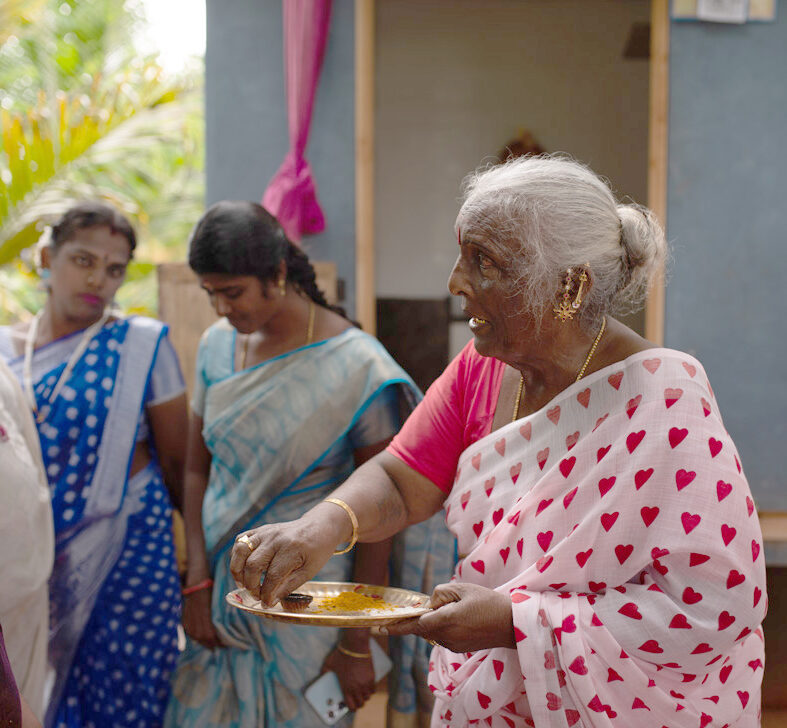
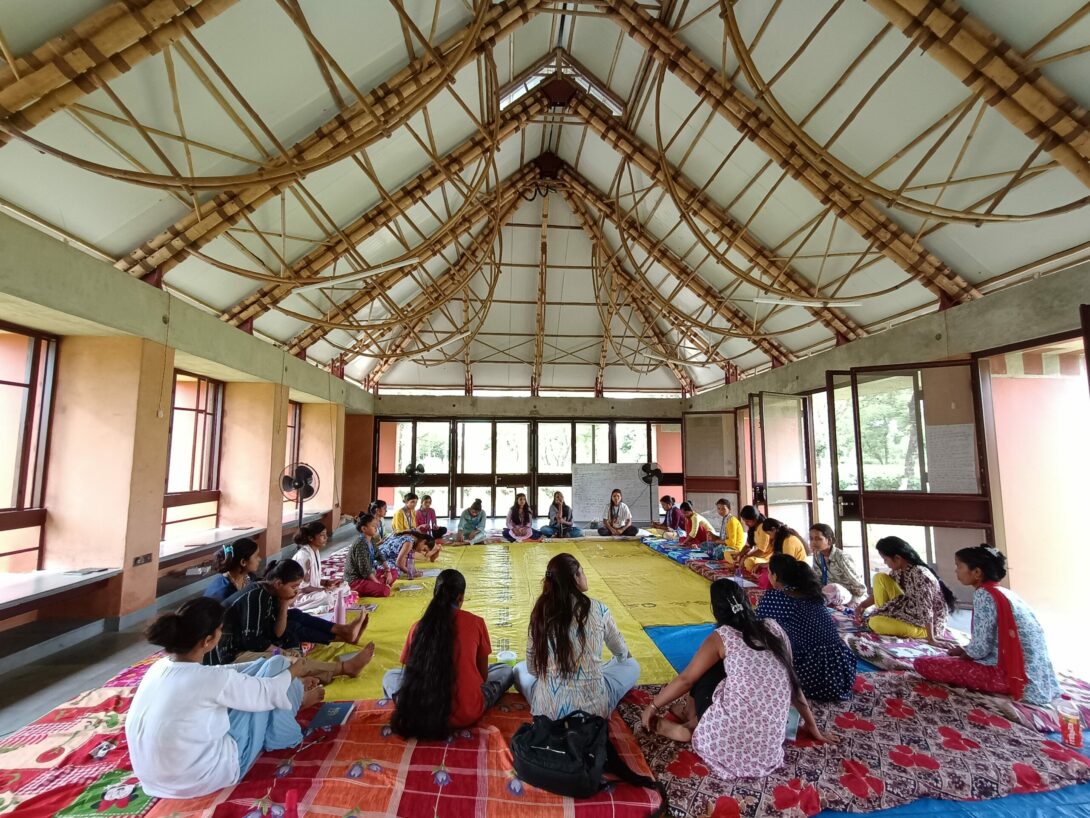
In India, we focus primarily on empowering women and supporting Dalit communities—groups that continue to face discrimination and economic challenges. The projects we support span the southern state of Tamil Nadu and the northern state of Bihar.
Driving change through collaboration.
Lemonaid & ChariTea Foundation has been active in India since 2017, joining forces with local NGOs to advance social and economic justice. Our joint programs address key issues, including financial inclusion, education, and empowerment. To date, ten initiatives have been realized, with three projects currently underway.
India has been the world's most populous country since 2025. While the country has experienced strong economic growth in recent decades, the gap between rich and poor remains large. According to the World Bank (2021), around 12.9% of the population lives on less than US$2.15 per day – a clear sign of the persistence of extreme poverty. Many families rely on just one income, which makes their living situation particularly precarious.
The income distribution is also uneven: the Gini index is 0.415 (World Bank, 2021) – an indication of significant social inequality. Economic progress does not benefit everyone; millions of people work for low wages and have limited access to education, healthcare and opportunities.
Social inequality is evident: the caste system continues to have an effect despite its official abolition. Dalits (“the oppressed”) and Adivasi (indigenous communities) in particular – around a quarter of the population – are affected by exclusion and poverty. Women also experience discrimination and limited access to opportunities.
Our partner NGOs are committed to breaking through these structures: with projects for education, income and social participation.
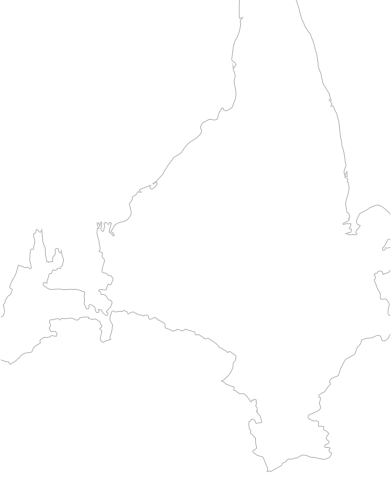
The projects we support are located in the southern state of Tamil Nadu and the northern state of Bihar.
Although the caste system has been officially abolished, it still characterizes social life in many places. Particularly affected are the Dalits ("the oppressed"), who continue to suffer discrimination and disadvantage. Women are also often disadvantaged by cultural and social norms.
Our partner organizations also work with the Adivasis, India's indigenous communities, who are recognized as "Scheduled Tribes". Together with the Dalits, they make up around 25% of the population - and yet are one of the most marginalized groups in the country.
The NGOs we support are committed to reducing structural inequalities and creating fair access to education, income and social participation. This creates concrete prospects for marginalized groups - and steps towards a fairer future.
We are currently supporting three projects in India.