Rural Women Development Trust

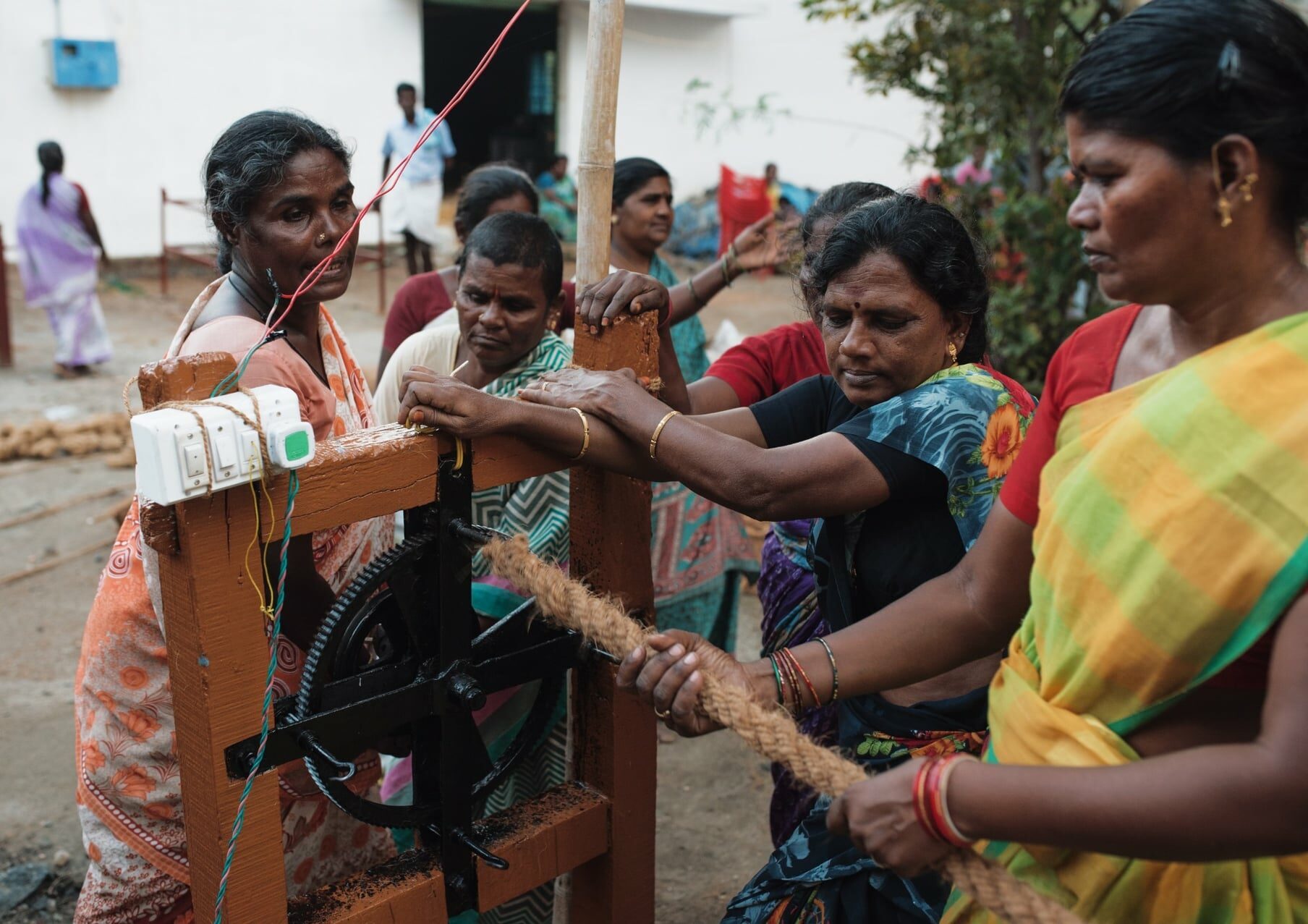
Self-employment with coconut fiber products.
The Rural Women Development Trust (RWDT) was founded by former victims of forced labor and violence. The organization is particularly committed to supporting marginalized Dalit women in Tamil Nadu, who were previously exploited in quarries, brick factories, and agriculture. In collaboration with the district administration, RWDT protects them from renewed exploitation and opens up paths to sustainable independence.
The Arunthathiyar-Dalit community is one of the most marginalized groups in India. Due to their caste affiliation, their members have been subjected to exploitation, discrimination, and extreme poverty for generations. Many women in this community have had to perform forced labor, collect garbage, or perform other degrading activities. In Tamil Nadu, only a few Arunthathiyar can read and write – the majority remain without access to education and are exposed to structural violence.
RWDT addresses this directly: The organization creates opportunities to break out of this cycle by showing women new perspectives and opening up opportunities for economic independence and social participation.
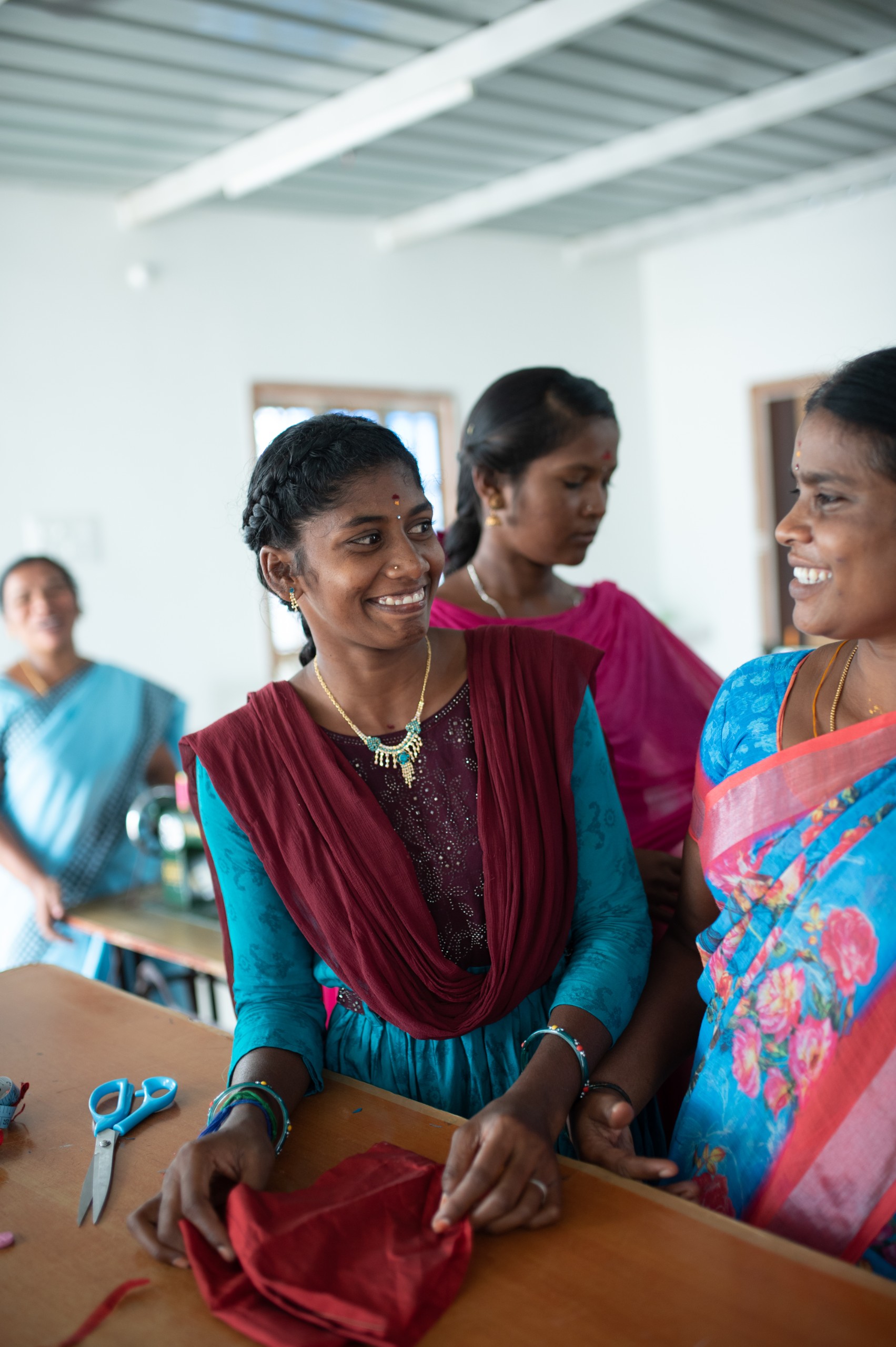
The RWDT project empowers 180 marginalized Dalit women in Tamil Nadu, India, who previously worked as forced laborers in quarries, brick factories, and agricultural enterprises for up to a decade. As part of the rehabilitation program, they receive comprehensive training in coconut fiber production, which enables them to set up their own small businesses. The training covers both the production of high-quality coconut fiber products and marketing, financial literacy, and cooperative principles. To facilitate marketing, the women are organized into a cooperative, which allows them to achieve fair prices and build up joint reserves – a crucial step in permanently escaping the cycle of debt and exploitation.
In addition to economic empowerment, RWDT is committed to the education and health of the children of these families. In special evening school centers, the children receive tutoring, job-relevant skills, and nutritional supplements to combat malnutrition. Each year, 60 women participate in the program, so that after three years, a total of 180 women successfully generate a stable income in the coconut fiber value chain – with daily earnings of between 400 and 500 Indian rupees or more, which in the local rural context means economic security, more independence and a clear improvement in the quality of life. The Lemonaid & ChariTea Foundation finances machines, training and specialist staff.
Alamelu Bannan
Mail
Website: https://ruralwomenindia.org/
Facebook: https://www.facebook.com/RWDTSALEM/