Community Renovation & Organisation Advancement Trust
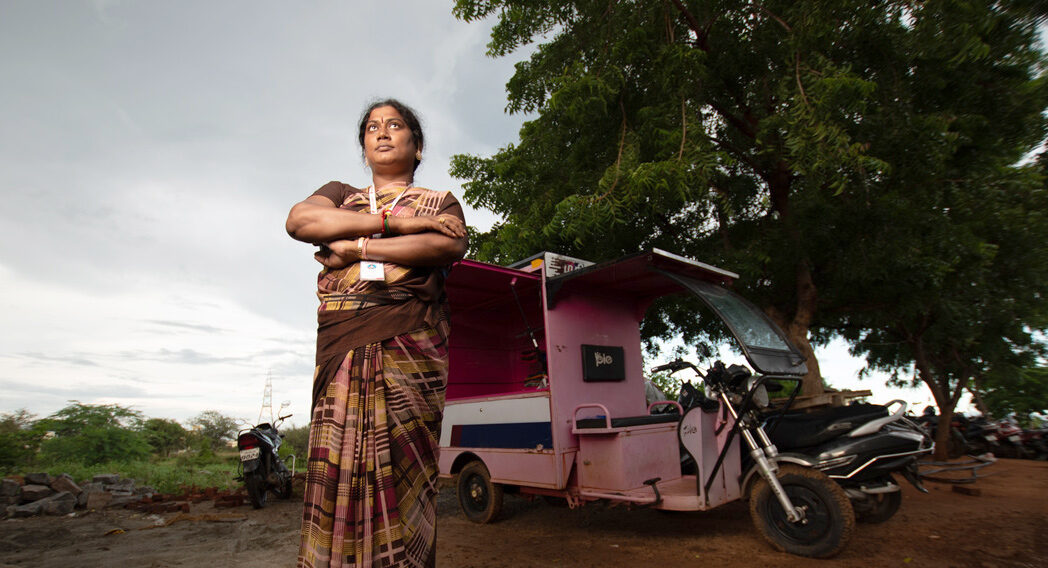
Sustainable Livelihoods for Transgender People.
COROAT was founded in 2009 by women from Tamil Nadu. The organization is dedicated to empowering marginalized groups who live in extreme poverty and are excluded from mainstream society through discrimination and lack of resources. Target groups include traditional artisans, day laborers, women, children, people with disabilities and transgender people.
With programs in the areas of education, livelihoods and social inclusion, COROAT creates new perspectives - and thus contributes to a society in which equality and participation become a reality.
Transgender people in India historically had a socially respected role, for example in spiritual and cultural life. This changed with colonization: Under British rule, laws were introduced that criminalized their existence. Centuries of exclusion and discrimination were the result.
Although legal progress has been made - including the recognition of a third gender by the Supreme Court (2014) and the Transgender Persons (Protection of Rights) Act (2019) - the stigma is deeply rooted. Many of those affected suffer from social isolation, limited access to education and discrimination in the workplace. A lack of economic opportunities often forces them into precarious activities such as begging or sex work. Despite activism and political reforms, much remains to be done to achieve genuine inclusion and dignity.
In the second phase of the project (2025–2028), 1,000 transgender individuals in ten districts of Tamil Nadu will receive support through psychosocial counseling, livelihood assistance, access to government services, and public awareness campaigns. The goal is to sustainably strengthen economic stability, psychological resilience, and social participation.
The project builds on an initial funding phase (2022–2025), during which 477 transgender individuals were already reached. The second phase expands the approach both geographically and in terms of content through more individualized support and systematic integration into government structures to ensure long-term impact beyond the project’s duration.
Key measures include individual psychological counseling, vocational training for starting environmentally friendly small businesses, start-up capital for these enterprises, and assistance with accessing identification documents, social benefits, and housing. In addition, public campaigns and awareness-raising events are conducted to combat structural discrimination. Furthermore, several hundred local stakeholders from government, educational institutions, and the financial sector are being engaged to drive long-term institutional change. Lemonaid & ChariTea e.V. is funding a large portion of the project, including salaries, start-up capital, training costs, and the development of an app for ongoing and individualized psychological support.
M Padmavathi
Project Website: https://sheinhe.in/
Organisation Website: https://coroat.org/ )
Instagram: https://www.instagram.com/coroat_/
Facebook: https://www.facebook.com/coroat/
YouTube: www.youtube.com/@coroat1406
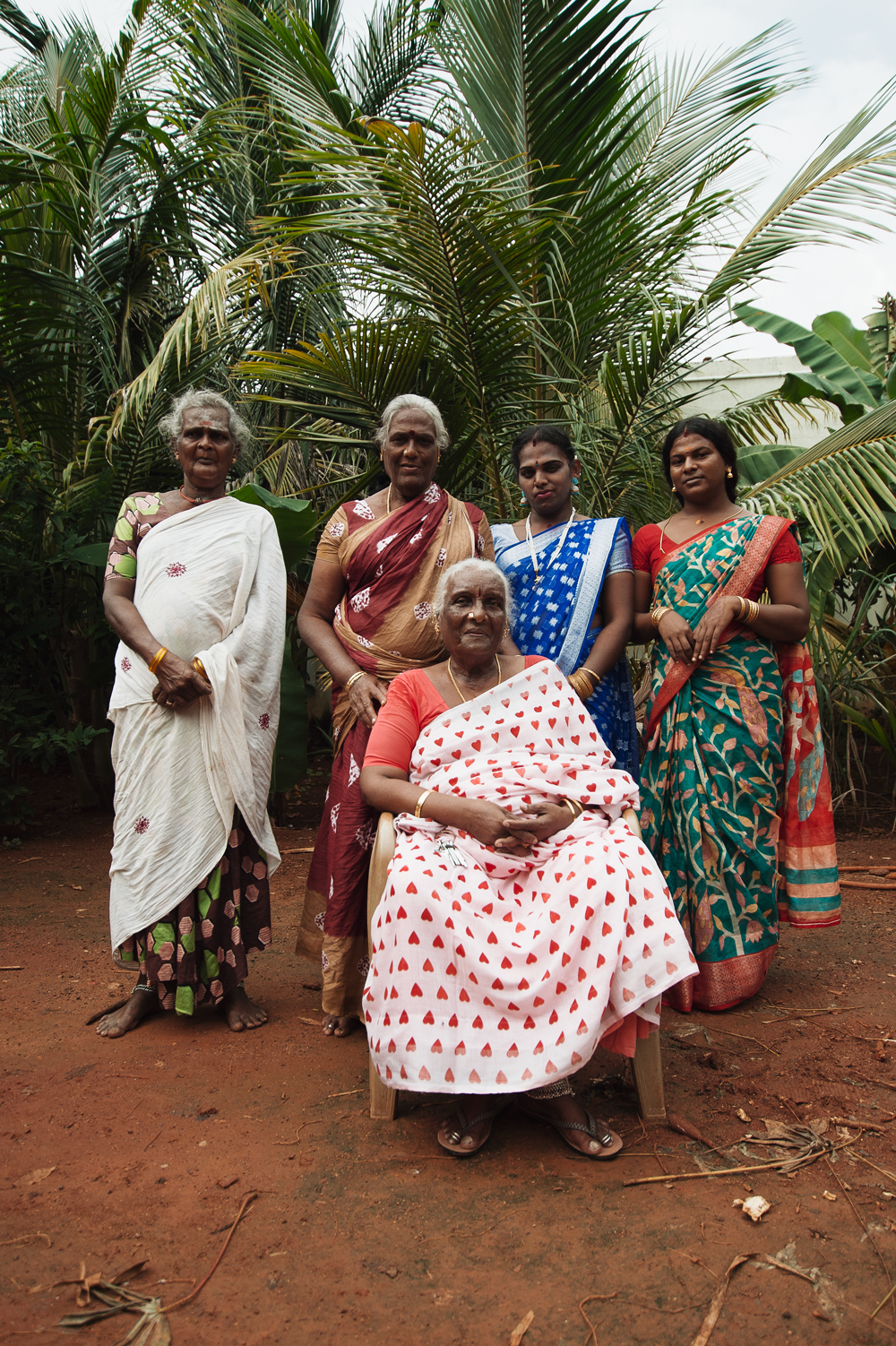
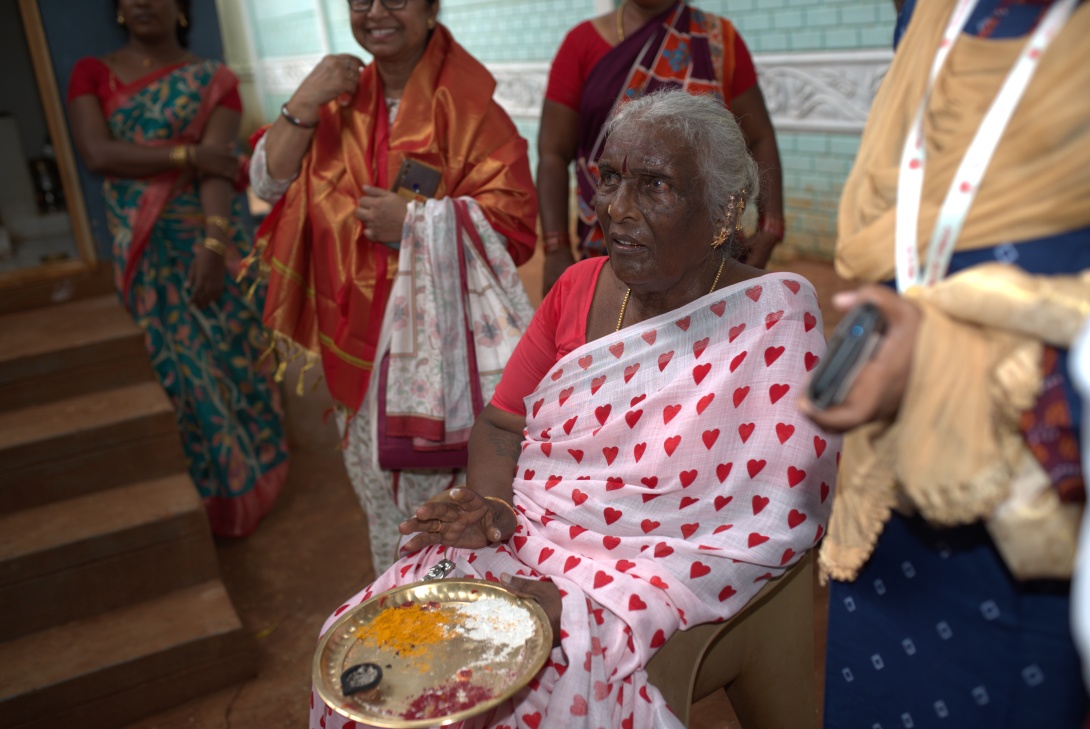
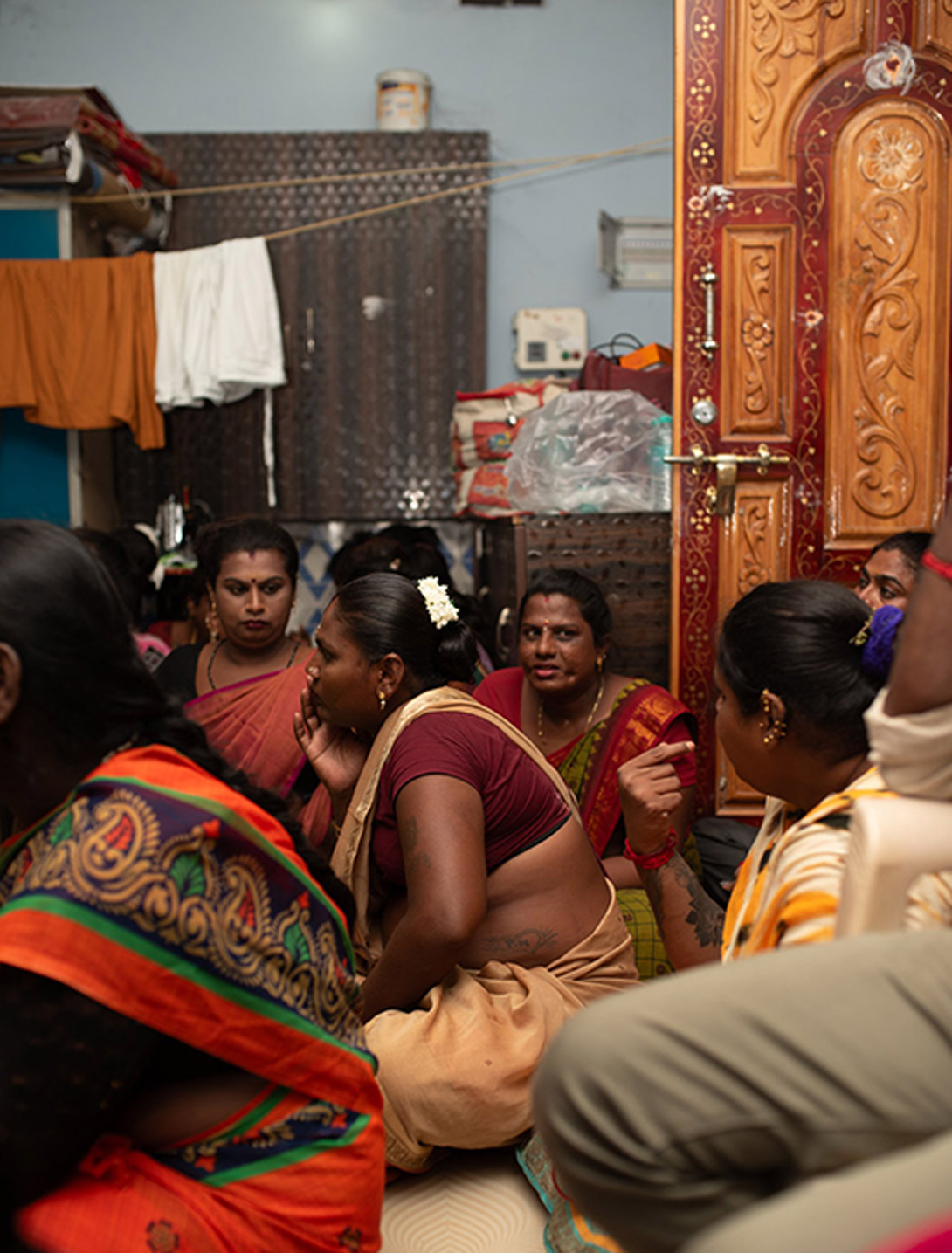
Impressions from the project.


Photos: Sharan Estone