Rural Women Development Trust

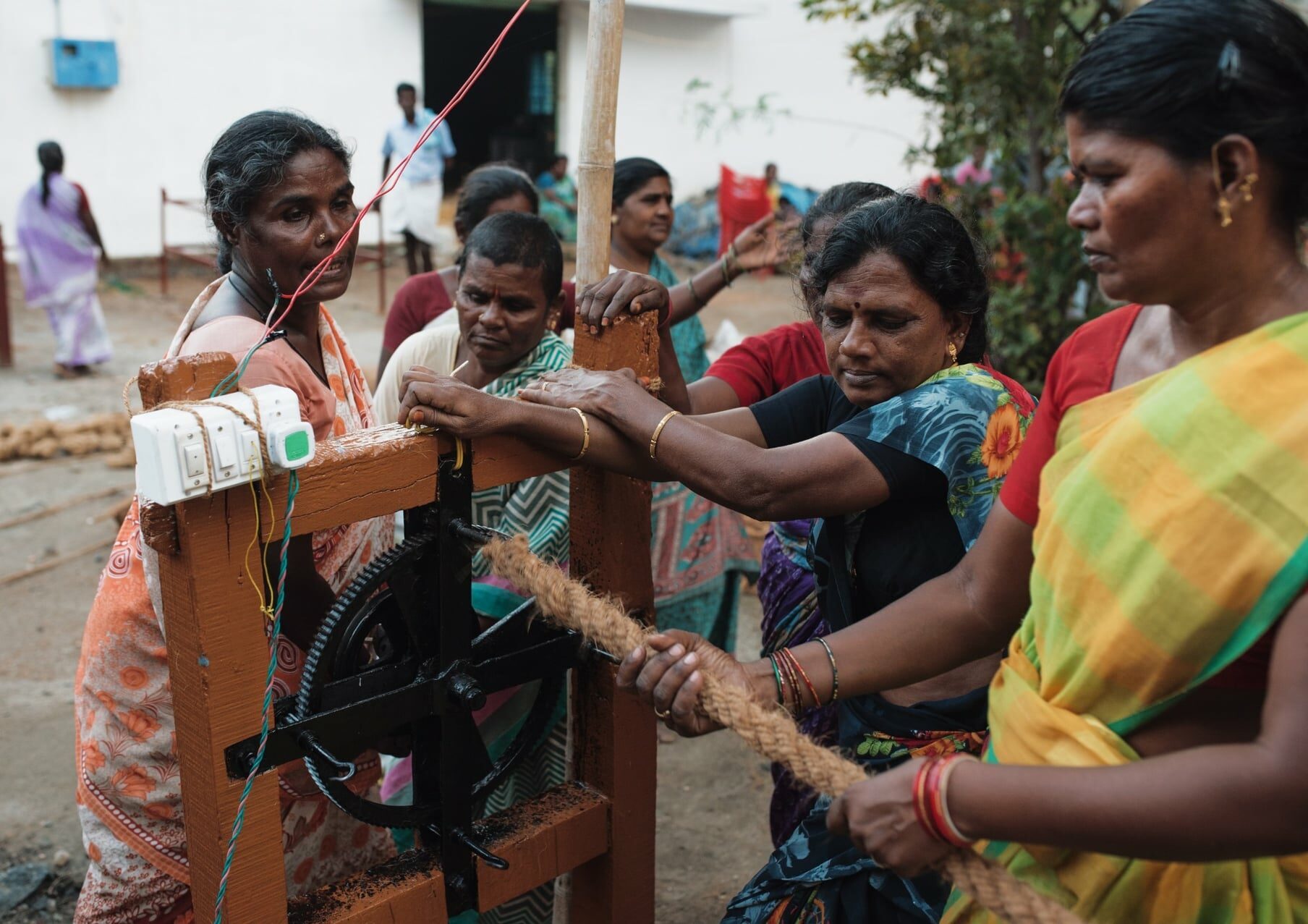
Self-employment with coconut fiber products.
The Rural Women Development Trust (RWDT) was founded by former victims of forced labor and violence. The organization is particularly committed to supporting marginalized Dalit women in Tamil Nadu, who were previously exploited in quarries, brick factories, and agriculture. In collaboration with the district administration, RWDT protects them from renewed exploitation and opens up paths to sustainable independence.
The Arunthathiyar-Dalit community is one of the most marginalized groups in India. Due to their caste affiliation, their members have been subjected to exploitation, discrimination, and extreme poverty for generations. Many women in this community have had to perform forced labor, collect garbage, or perform other degrading activities. In Tamil Nadu, only a few Arunthathiyar can read and write – the majority remain without access to education and are exposed to structural violence.
RWDT addresses this directly: The organization creates opportunities to break out of this cycle by showing women new perspectives and opening up opportunities for economic independence and social participation.
The Rural Women Development Trust (RWDT) project builds on the results of the first project phase (2023–2025) and expands support for women in the Arunthathiyar Dalit community. During the first phase, 180 women received training in coconut fiber production as well as support in developing their own economic opportunities. In addition, a cooperative was established to strengthen production, marketing, and the creation of reserves. At the same time, approximately 250 children from the participating families gained access to evening school centers offering tutoring and nutritional supplements.
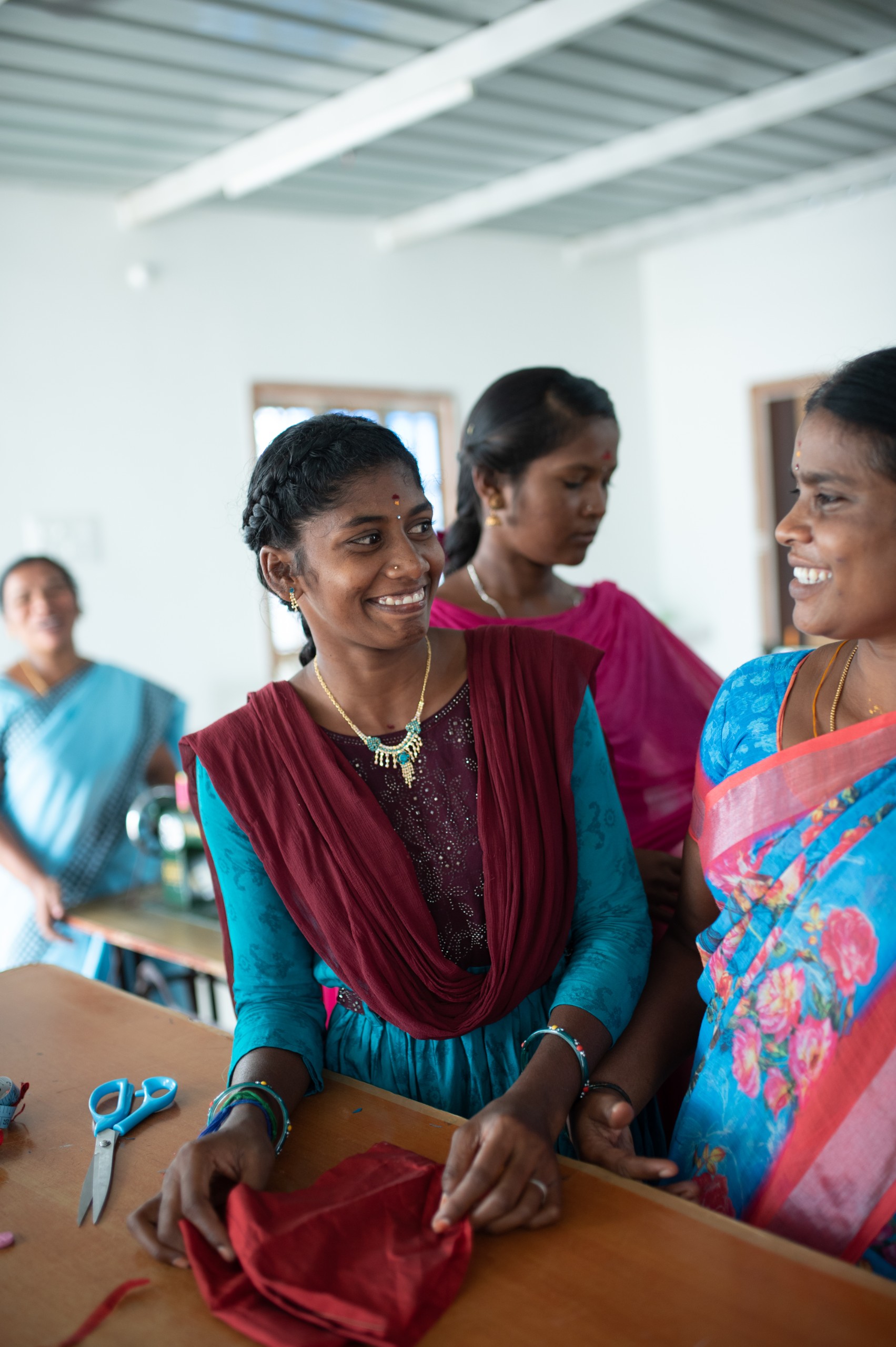
In the second phase of the project, these activities will be expanded. Over the next three years, an additional 240 women will receive training in the manufacture and processing of coconut fiber products, as well as support in establishing local production units and their own income-generating activities. The existing women’s cooperative will be further strengthened to expand joint production, build reserves, and improve market access in the long term. Another focus is on adolescents and young women from the participating families. Approximately 360 young women will receive training in tailoring and garment production. In addition, a production unit for eco-friendly jute products will be established to create additional local income opportunities. Educational offerings will also be expanded. About 300 children from the participating families are receiving access to tutoring to support their academic development and prevent them from dropping out of school. Nutritional supplements will continue to be provided. Lemonaid & ChariTea e.V. is funding training, machinery, production materials, and specialized staff.
Alamelu Bannan
Mail
Website: https://ruralwomenindia.org/
Facebook: https://www.facebook.com/RWDTSALEM/
Impressions from the project.






Photos: Sharan Estone