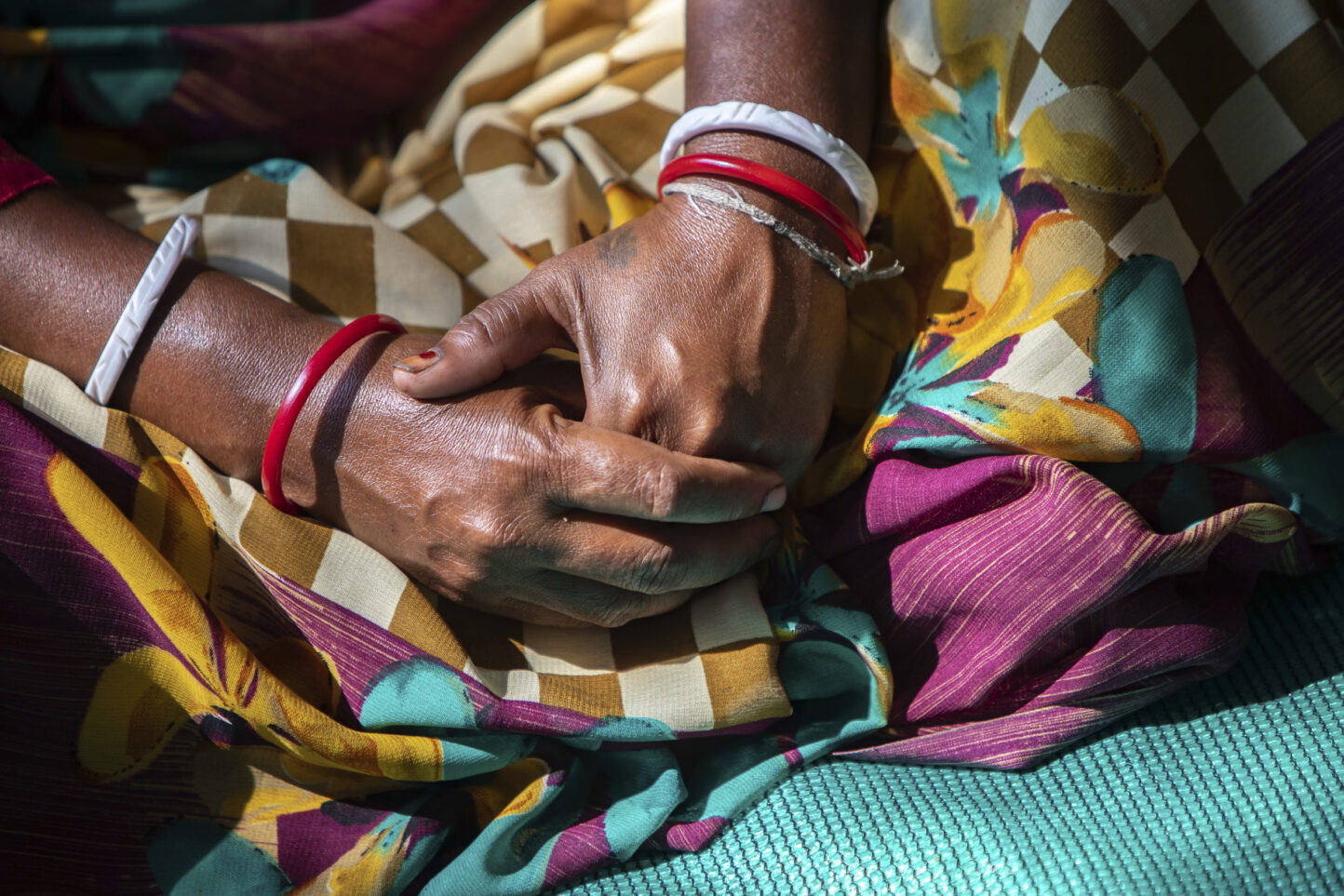
Photo: Adam Dickens
Empowering women in the informal recycling sector.
Pasumai Ulagam empowers women economically and socially through cooperatives, education, and sustainable income-generating opportunities. At the same time, the project contributes to more environmentally friendly and equitable waste management. Founded in 2000 by social activists in Tamil Nadu, the organization works with women, youth, and children in urban slums and rural areas. Its focus is on women’s empowerment, education, vocational training, environmental protection, and community development. Women are primarily supported in establishing sustainable income opportunities and strengthening their participation in society.
Women in India’s informal recycling sector are among the most socially and economically disadvantaged groups. Many work without a steady income, social security, or health protection. Women in particular are affected by discrimination, poor health care, and a lack of access to education. At the same time, they make an important contribution to waste separation and recycling in rapidly growing cities.
The Pasumai Ulagam project supports women in the informal recycling sector in the Erode district of Tamil Nadu. Many of them collect and sort trash every day under unhealthy conditions, without social security and with irregular incomes. At the same time, they make an important contribution to recycling and environmental protection. Within three years, 200 women will be organized into a cooperative. The goal is to sustainably improve their economic situation and strengthen their social participation. The cooperative enables fairer market prices and better working conditions. In addition, local recycling centers are established, and partnerships are formed with companies, recycling facilities, and municipalities, thereby reducing dependence on middlemen. The women receive protective clothing, regular health checkups, and nutritional counseling. Families benefit from hygiene and health campaigns, and children benefit from educational grants. The project strengthens the women’s financial independence and their role in their communities. Awareness campaigns and community-based decision-making structures break down prejudices against women waste collectors and promote their participation in local decision-making processes. Lemonaid & ChariTea e.V. funds training, protective gear, recycling equipment, health initiatives, and specialized staff to implement the project.
Mrs. T. Sheela
Email
Website: https://ruralwomenindia.org/